← All case studies

Automotive · Consistency · Motion

Unofficial Ford GT AI Spec Film — Production Study

A single approved Ford GT master frame expanded into a consistent multi-angle automotive image and motion system.
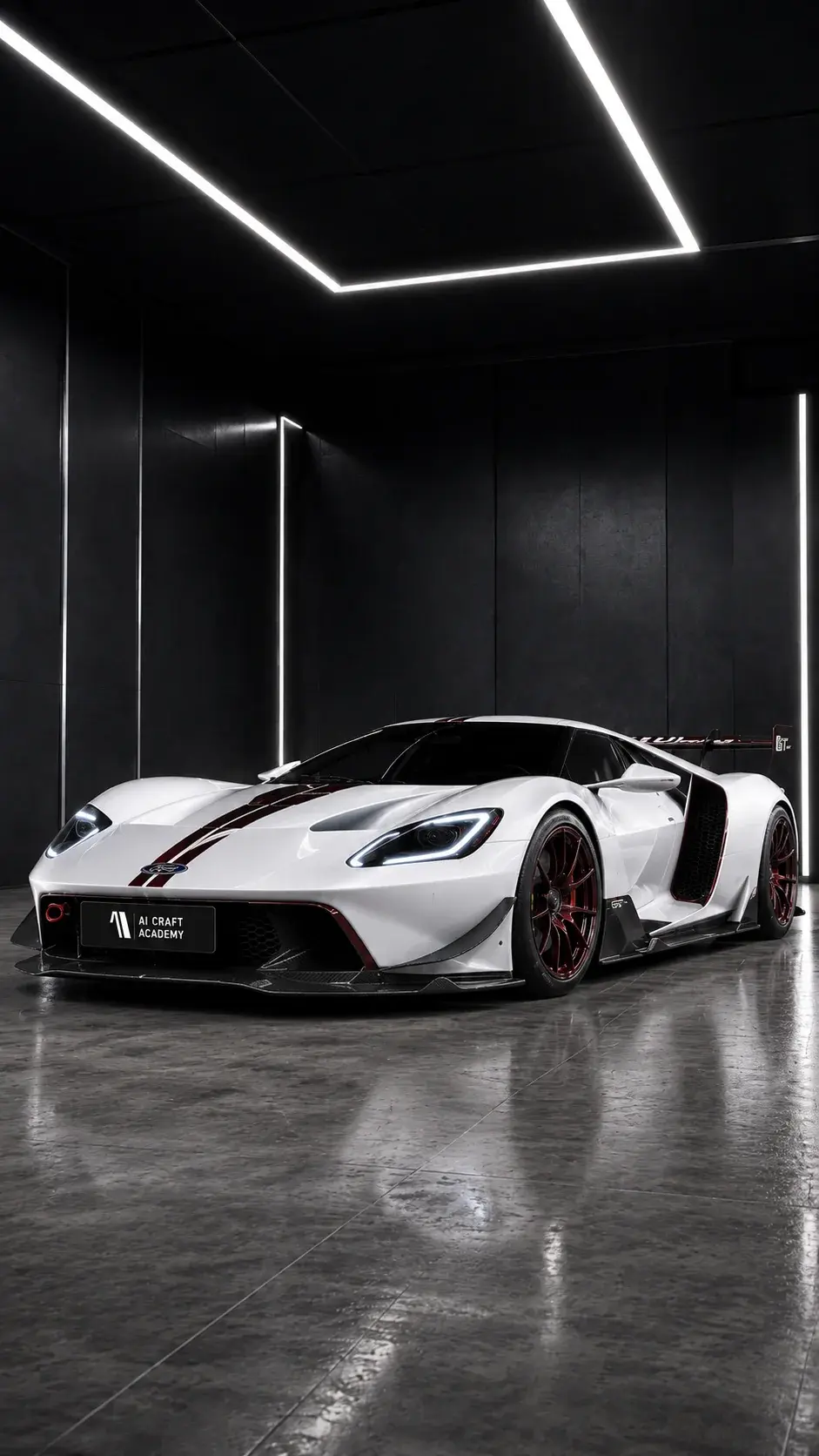
StatusUnofficial automotive spec conceptPublishedDirectionAI Craft Academy
Unofficial Ford GT AI Spec Film — Production Study
Disclosure

This is an unofficial AI-generated spec concept. AI Craft Academy is not affiliated with or endorsed by Ford Motor Company.

Direct answer

What this production study demonstrates.

This unofficial automotive spec study shows how one approved master frame can control vehicle geometry, lighting, camera angles, branded surfaces, and motion planning across a short AI film system.

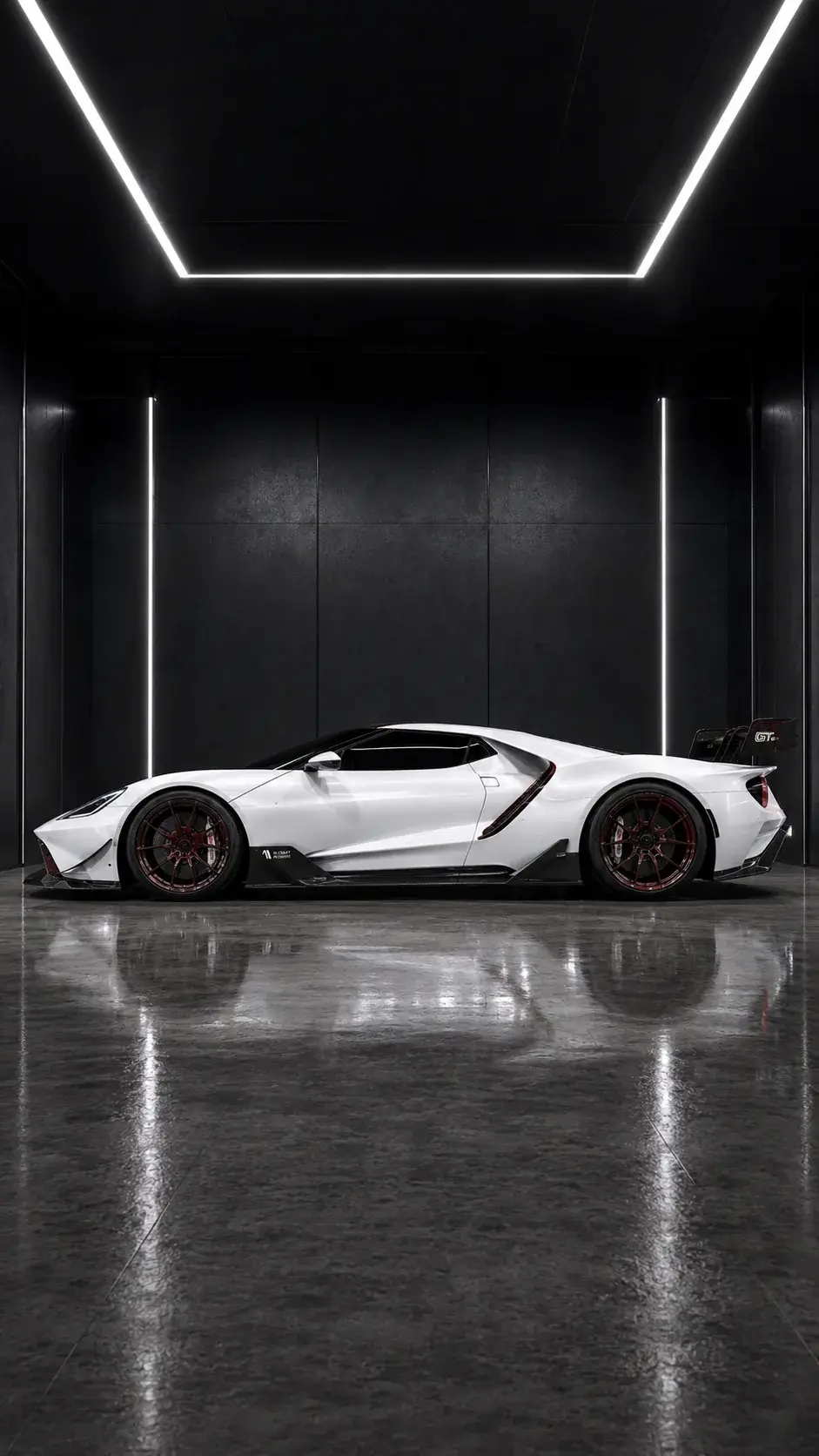
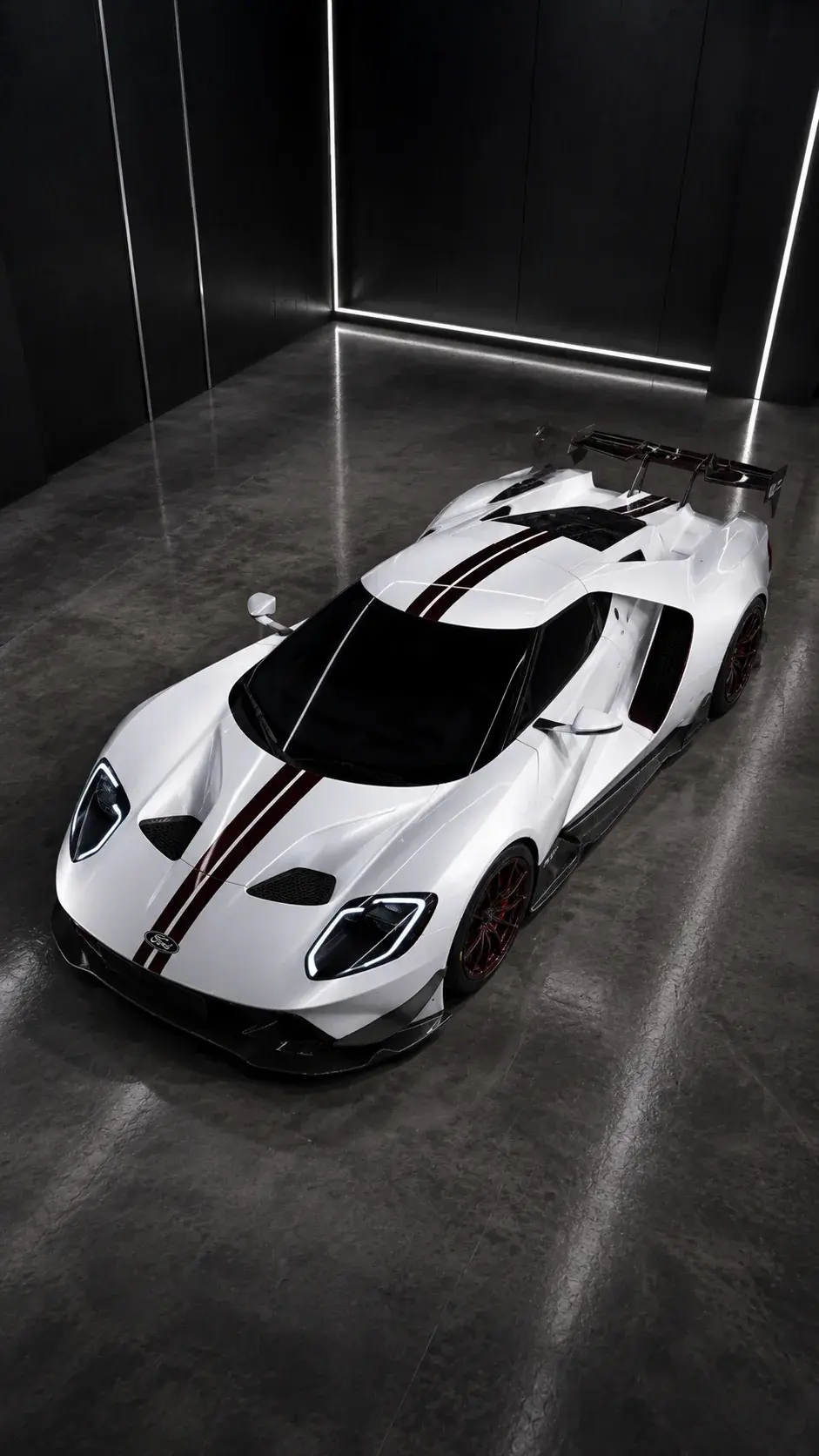
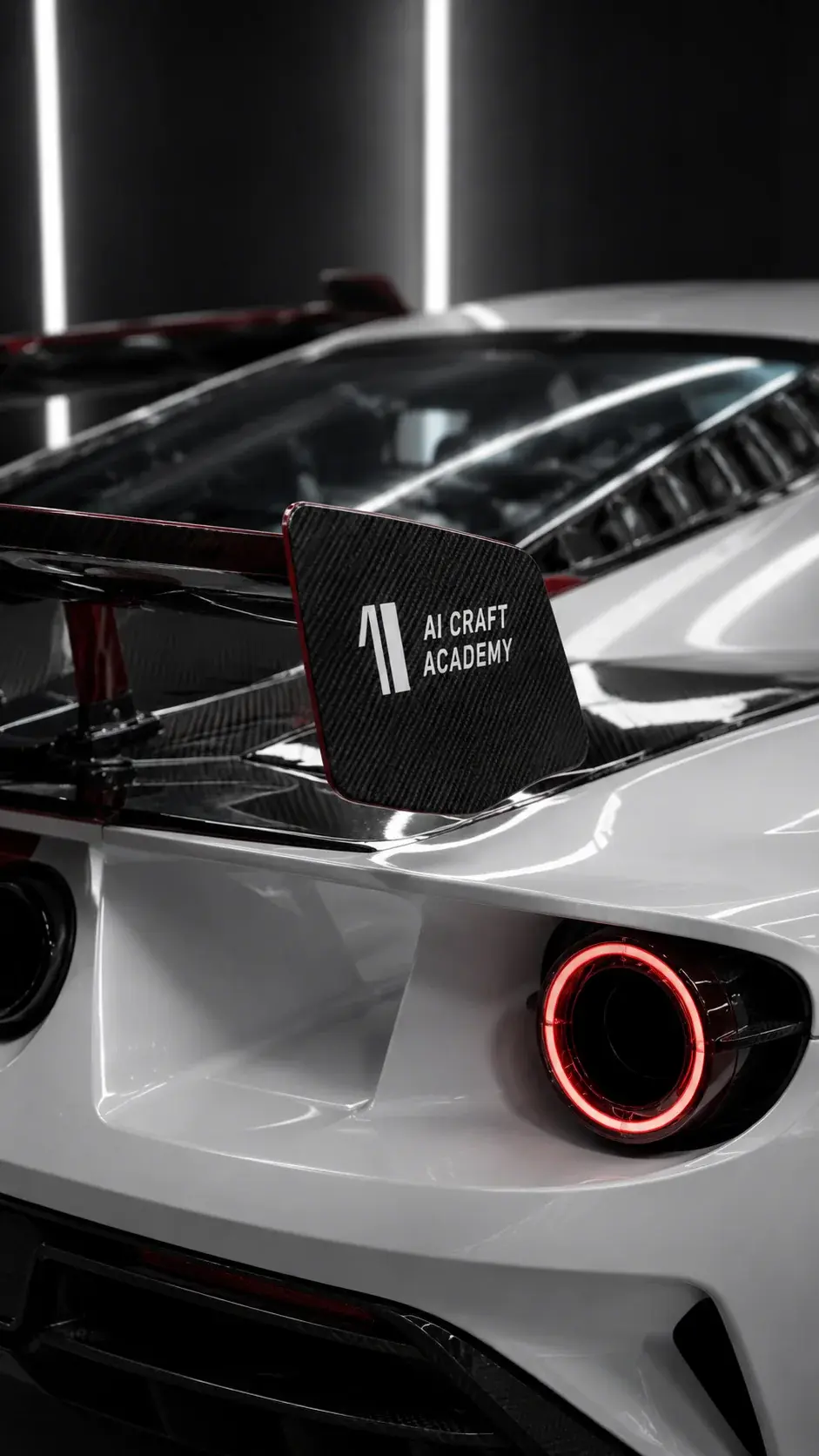
Input and reference method: The workflow used one approved vehicle master frame to lock the white body, burgundy stripe, carbon aero package, wheels, studio geometry, lighting, and AI Craft Academy plate before angle and motion variations were created.

The brief

What the system had to prove.

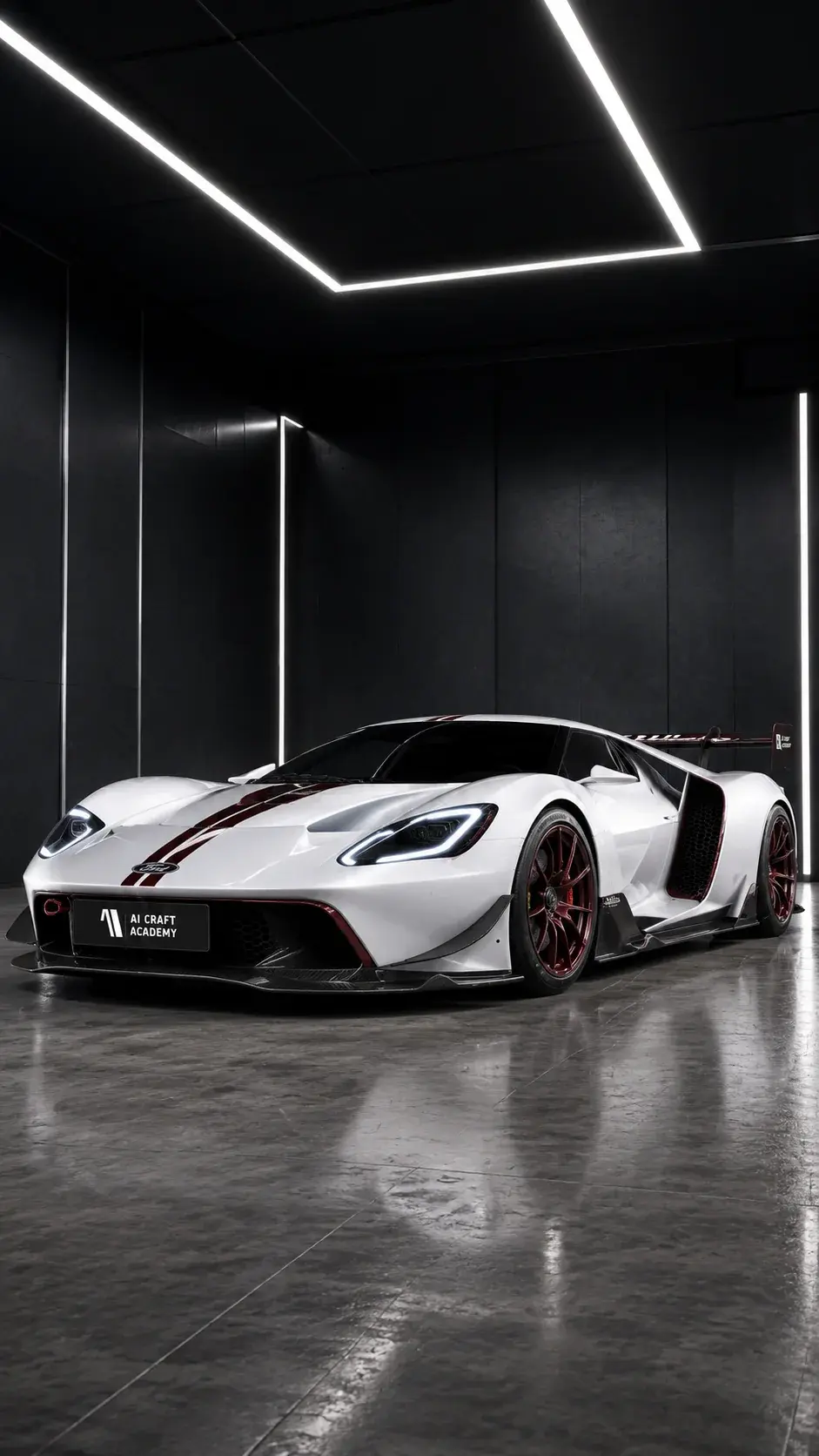
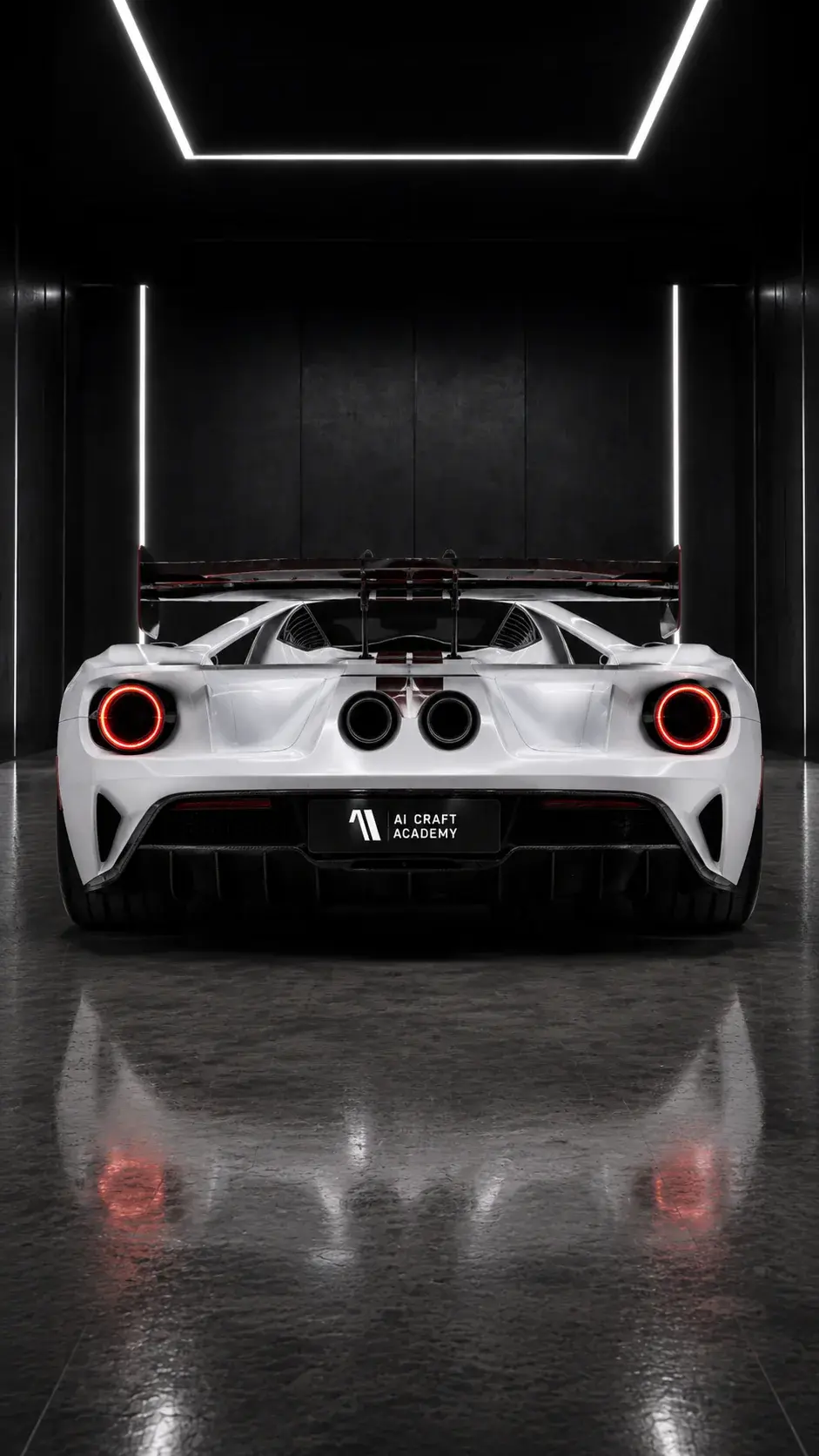
Create a premium automotive edit from one master frame while keeping the white body, burgundy center stripe, carbon aero package, wheels, lighting room, and AI Craft Academy brand plate consistent.

The production challenge: Every new camera angle creates opportunities for body geometry, wheel design, aero parts, lighting, and logo placement to drift. The set therefore had to be generated from the approved master rather than from text alone.

Consistency notes

What stayed fixed.

  • Vehicle body, stripe, aero, wheels, and studio lighting are checked against the master frame.
  • Each new angle is generated from the approved visual reference rather than text alone.
  • Motion ideas are limited to preserve silhouette and geometry through the edit.

Manual checks

What a human reviewed.

  • Body geometry, wheel design, aero parts, stripe, and plate placement
  • Lighting direction and studio architecture across camera angles
  • First and last video frames for drift
  • Unofficial-reference disclosure and affiliation review

Limitations

What this does not prove.

  • This is not commissioned work and does not imply Ford affiliation or endorsement.
  • The study does not demonstrate advertising or sales performance.
  • Commercial automotive work would require authorized source assets and rights review.

Production method

Control the system before multiplying outputs.

The workflow is organized around approvals and continuity checks rather than isolated prompt attempts.

01

Approve one master

Lock the vehicle specification, studio architecture, lighting geometry, color treatment, and branded surfaces in one reference frame.

02

Direct each angle

Use the master as the reference for front, side, rear, high-angle, macro, and branded detail compositions.

03

Design the edit

Assign one controlled motion idea to each shot, then sequence the clips around silhouette, detail, symmetry, and reveal.

Production judgment · Consistency Check

The master frame is the contract for every new angle.

Vehicle geometry, stripe, wheels, aero, studio architecture, lighting, and branded surfaces are checked against the approved master before motion enters the edit.

Production note

How we would review the work.

The Consistency Check compares silhouette and hard-surface details at each angle, then checks the first and last usable frames of every motion clip.

What this teaches

Transfer the decision, not just the look.

The study connects master-frame approval, camera roles, restrained motion, and edit continuity.

What this proves

Keep the evidence boundary explicit.

The unofficial spec study demonstrates a production method and does not imply Ford affiliation, endorsement, or campaign performance.

Related questions

Questions this automotive production study can answer

This unofficial concept demonstrates reference control and shot-system decisions. It is not commissioned work and carries no vehicle-brand endorsement or campaign-performance claim.

01

workflow / P0/P1

What makes this automotive system more than one lucky image?

One approved vehicle and environment contract was carried into front, rear, side, high-angle, detail, and motion roles while the production record tracked what stayed fixed.

Read the detailed answer

The connected outputs demonstrate reference hierarchy, selection, shot planning, and manual inspection. They do not prove client approval, official partnership, audience response, sales, or campaign return.

02

troubleshooting / P0/P1

Why can an automotive visual look polished and still be unusable?

Body geometry, lights, wheels, badges, stripe placement, reflections, direction of travel, or scene continuity can fail beneath cinematic lighting.

Read the detailed answer

Compare each frame with the approved master and inspect moving edges at normal speed. A visually dramatic outlier should be rejected when it weakens vehicle truth or sequence continuity.

03

workflow / P0/P1

How was identity and direction locked for the automotive sequence?

The vehicle’s visible facts, studio world, lighting logic, branded surfaces, shot roles, and motion limits were approved before angle expansion and animation.

Read the detailed answer

Each new shot changed camera position or action while inheriting the master’s identity contract. Human review selected usable frames and removed generations that altered the car or broke the edit.

04

buyer intent / P1

What should a buyer provide for an AI automotive visual project?

Provide authorized vehicle references, exact model and trim facts, required badges or exclusions, campaign purpose, shots, formats, usage, timeline, and an approval owner.

Read the detailed answer

The reference set should cover every side and detail the sequence needs, not only one hero angle. Clarify whether locations, plates, logos, people, and motion are fictional concepts or must match real production. Missing views or changed specifications affect what can be represented accurately.

05

buyer intent / P1

What makes an automotive AI production process credible?

It shows identity locks, shot planning, rejected-output criteria, continuity review, disclosure, and delivery limits without claiming unmeasured campaign results.

Read the detailed answer

A premium automotive image is not enough. The process should preserve body geometry, lighting logic, materials, branding rules, and screen direction across distinct shots. The public study demonstrates production capability as an independent concept; it does not imply a commission, manufacturer approval, or performance outcome.

06

buyer intent / P1

When should an automotive brand use a Studio production system?

Studio support fits concept development and campaign asset production when the brief needs many controlled scenes, formats, motion tests, and review gates.

Read the detailed answer

It does not replace photography or CGI when legal, technical, or product-launch requirements demand exact validated representation. Decide which assets are exploratory, which are public-facing, and who approves vehicle truth. A hybrid workflow can use AI for ideation while reserving critical product claims for verified production.

07

workflow / P1

How can automotive variants stay part of one campaign?

Keep the exact vehicle, palette, environment logic, lens language, motion direction, and finishing rules fixed while assigning each shot a different communication role.

Read the detailed answer

A batch should include planned coverage such as hero, detail, movement, environment, and closing frames rather than random angles. Compare silhouette, wheels, lights, glass, badges, and reflections across the sequence. Remove shots that break vehicle identity even if they look dramatic alone.

Build the skill

Practice it inside the Academy.

Academy learners use this case to practice master-frame approval, angle planning, motion restraint, and contact-sheet QA before producing their own disclosed concept sequence.

Explore Academy membership →

Bring the brief

Scope it with Studio.

For a scoped automotive concept, Studio needs authorized vehicle references, exact trim details, campaign goal, shot list, usage, formats, timeline, and approval owner; the client reviews all factual vehicle details.

Request a Studio quote →

Selected outputs

One world.
Multiple deliverables.

Each frame solves a different production problem without abandoning the approved product, identity, environment, or visual language.
Motion output

The still system becomes an edit.

Motion is directed shot by shot, then compressed for fast web playback.

Deliverables

What came out of the brief.

  • Approved master frame
  • Front and rear symmetry shots
  • Side profile and high-angle views
  • Carbon and aero detail frames
  • Brand-integrated surface details
  • Vertical automotive edit

Apply the method

Learn the system or bring a production brief.

The Academy teaches the reference, prompt, continuity, and review logic behind these studies. The Studio scopes the same production discipline around approved brand inputs and defined deliverables.

Start a project

Bring the brief.
We will build the production system.

Share the product, objective, references, formats, timeline, and constraints. We will recommend the right production scope.