
AI video · Motion systems
AI Video Ad Examples
Useful AI video ad examples reveal how approved first frames become short, controlled shots. The key evidence is not motion alone: it is continuity across subject, product, environment, camera direction, and edit role, with one dominant motion intention per clip.
These frames come from internal AI production demonstrations and an explicitly unofficial automotive spec study. They are not client work, do not imply an official brand partnership, and make no advertising-performance claim.
What this demonstrates
Read the system behind the output.
- Approved first frames used as motion anchors
- Shot roles planned before generation and editing
- Continuity checks across camera angle, environment, subject, and product
Input and reference method: Each sequence starts from an approved still frame and a small set of locked references. Motion is directed per shot, then selected clips are assembled around reveal, detail, movement, and closing functions.
Production workflow
Build approvals before variations.
The example is organized around fixed inputs, controlled changes, and manual review gates.
Approve the first frame
Resolve identity, product, environment, composition, and lighting issues before asking the model to move.
Give every shot one job
Define whether the clip introduces, reveals, demonstrates, transitions, or closes the sequence.
Limit motion
Use one dominant camera or subject action so the generated clip remains reviewable and easier to replace.
Edit for continuity
Select clips by geometry, direction, pacing, and visual continuity rather than by novelty alone.
Decision trail
Why the selected set advanced.
The trail records production decisions without exposing private references or full prompts.
- 01Decision gate
Resolve identity, product, environment, and framing in an approved still before motion testing.
- 02Decision gate
Assign one edit role and one dominant movement to each candidate shot.
- 03Decision gate
Review first frame, last frame, geometry, direction, and pacing before a clip enters the sequence.
- 04Decision gate
Replace clips that create continuity debt even when an isolated moment looks impressive.
Annotated proof set
Different roles.
Shared anchors.
Every image is a repo-owned proof asset shown with its production role and the disclosure above.
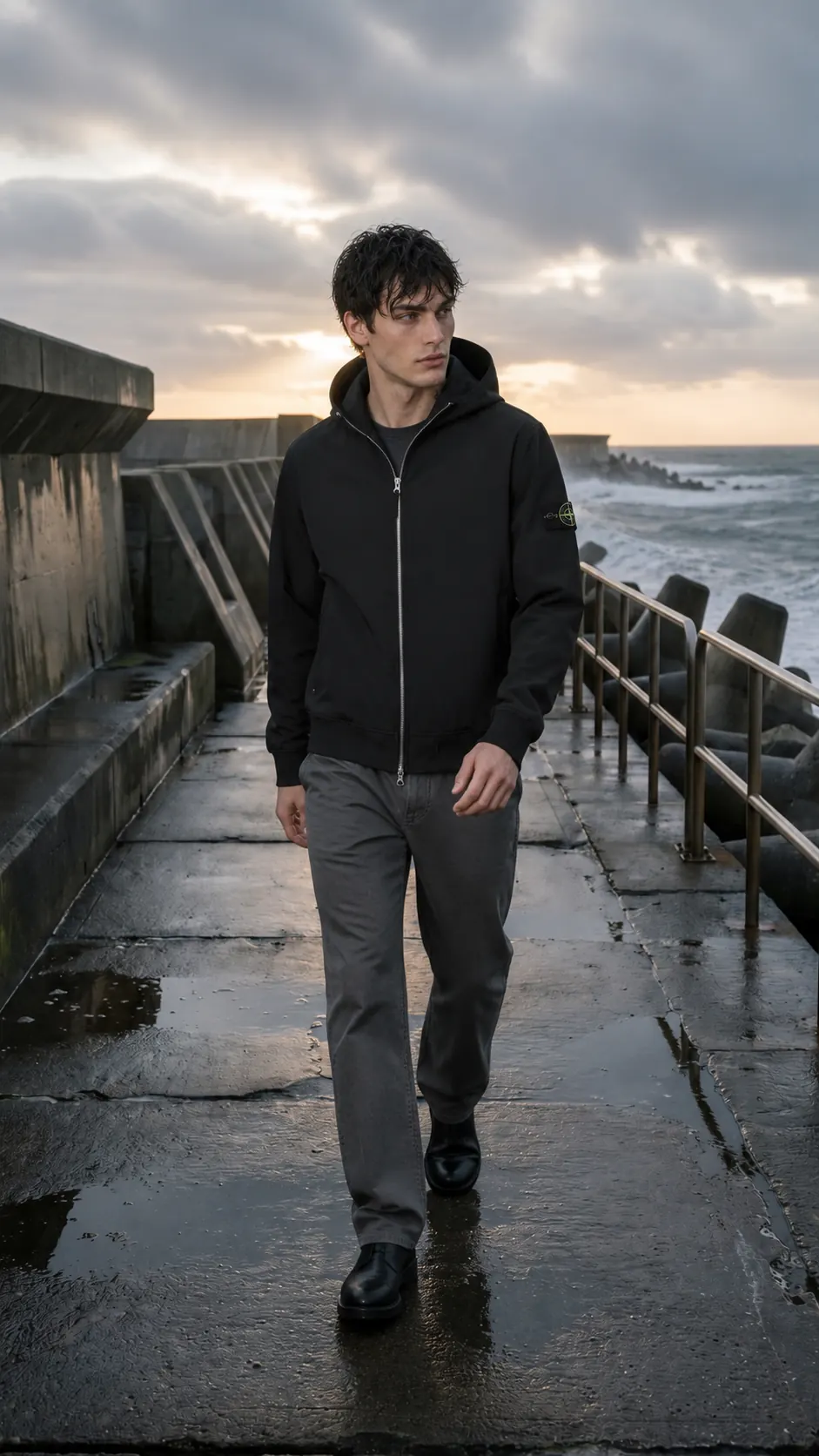
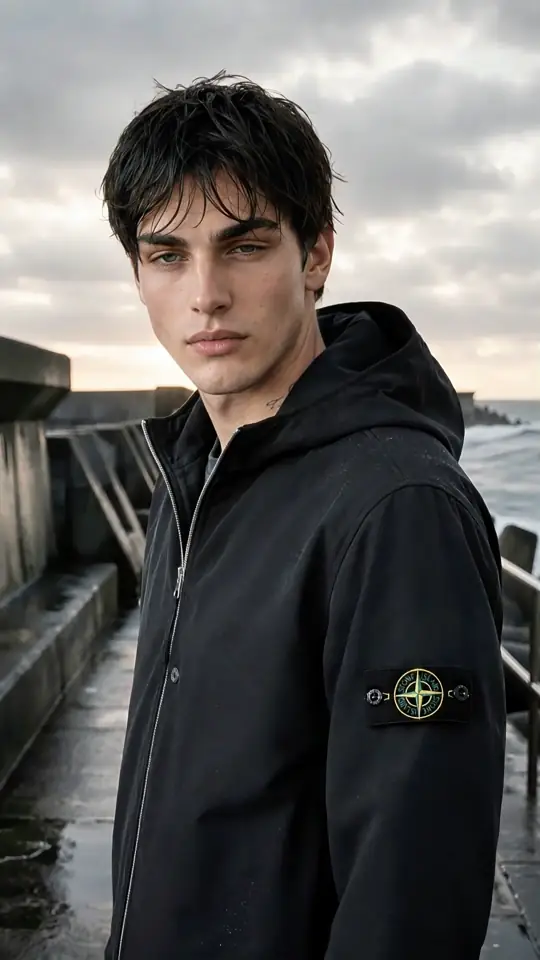
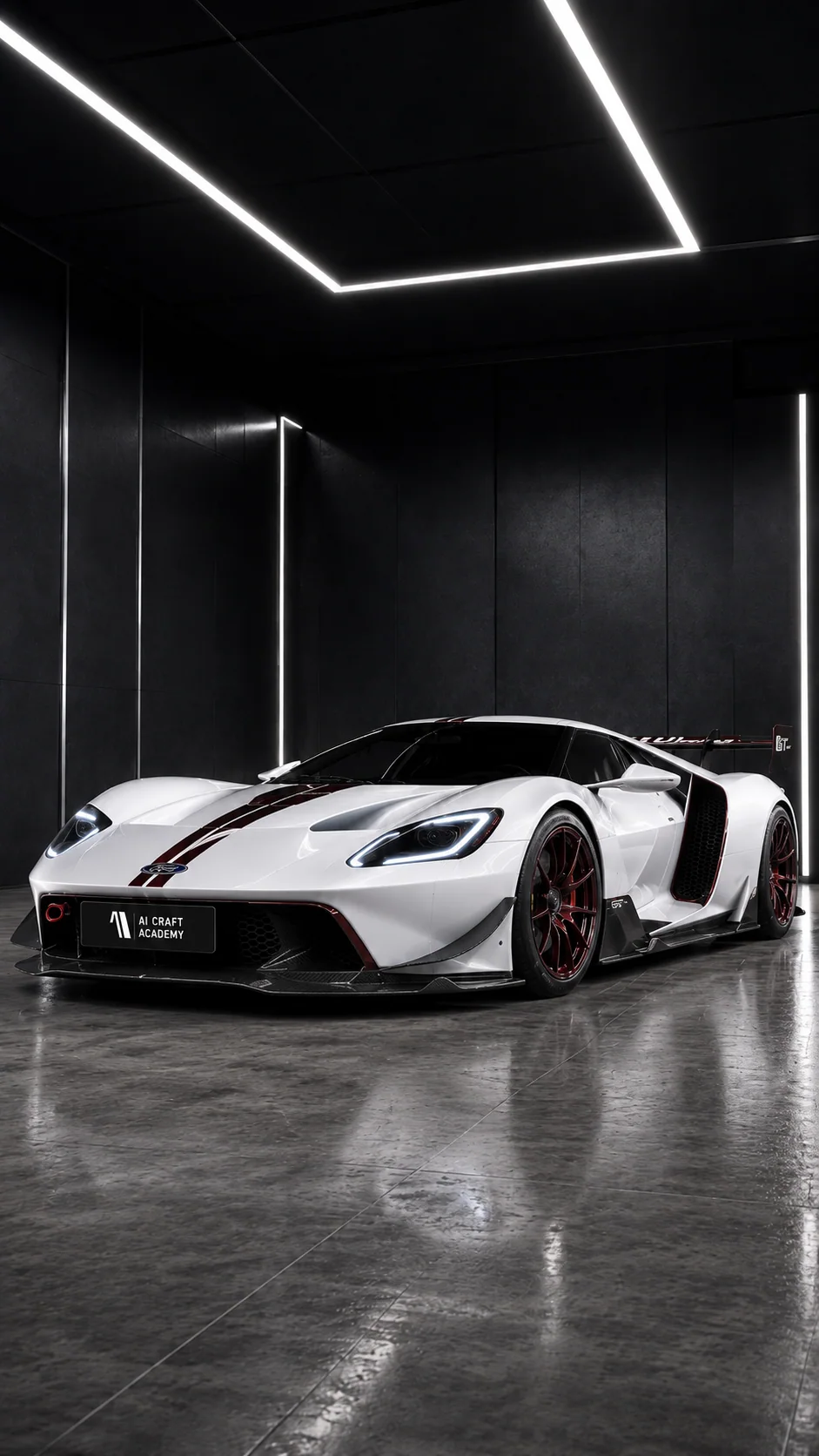
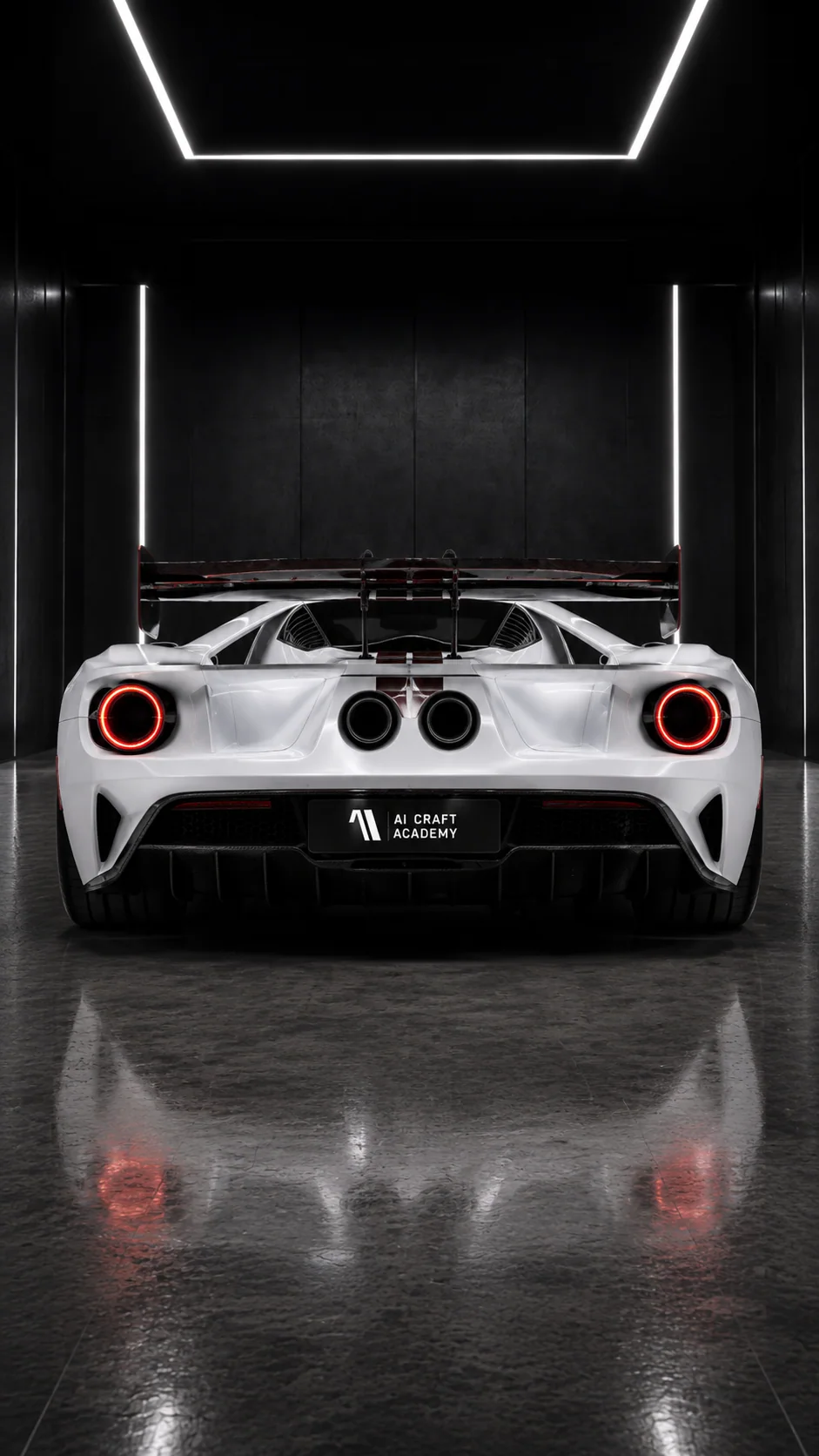
Consistency notes
What stays fixed.
- The outerwear sequence keeps the same identity, product, coastal environment, and cool wet-weather palette.
- The automotive sequence uses one approved vehicle and studio frame as the angle reference.
- Motion instructions stay subordinate to the approved still-frame information.
QA checklist
What must pass review.
- First and last frames for geometry or identity drift
- Product, wardrobe, and environment continuity
- Camera direction and edit compatibility
- Brand-reference disclosure and unsupported-claim review
Rejected output examples
Why attractive work can still fail.
Competing motion instructions
A test combined subject action, camera orbit, environmental motion, and a reveal in one short clip.
Decision: Reject and split the idea into reviewable shots with one dominant movement each.Vehicle geometry drift
A moving angle changed body proportions between the approved first frame and later frames.
Decision: Reject the clip; exact identity is more important than retaining novel motion.Uneditable timing
The useful action began too late and left no clean entry or exit for the neighboring shots.
Decision: Regenerate with a defined starting state and edit role.Safe limitations
What this does not prove.
- The examples do not report ad spend, conversion rate, or platform performance.
- Short generated clips may still need retiming, repair, sound, and editorial selection.
- Unofficial reference studies require fresh rights and brand review before commercial use.
Connected production paths
Move from proof to method, service, or learning path.
Every destination below is a published, sitemap-backed route connected to this production job.
Questions
How to evaluate this proof.
01Do these examples prove ad performance?
No. They demonstrate production and continuity methods only; they do not report or imply media, conversion, or revenue results.
02Why approve a first frame before motion?
A stable first frame isolates visual problems before movement adds new variables, making continuity failures easier to diagnose and replace.