
Static ads · Campaign systems
AI Static Ad Creative Examples
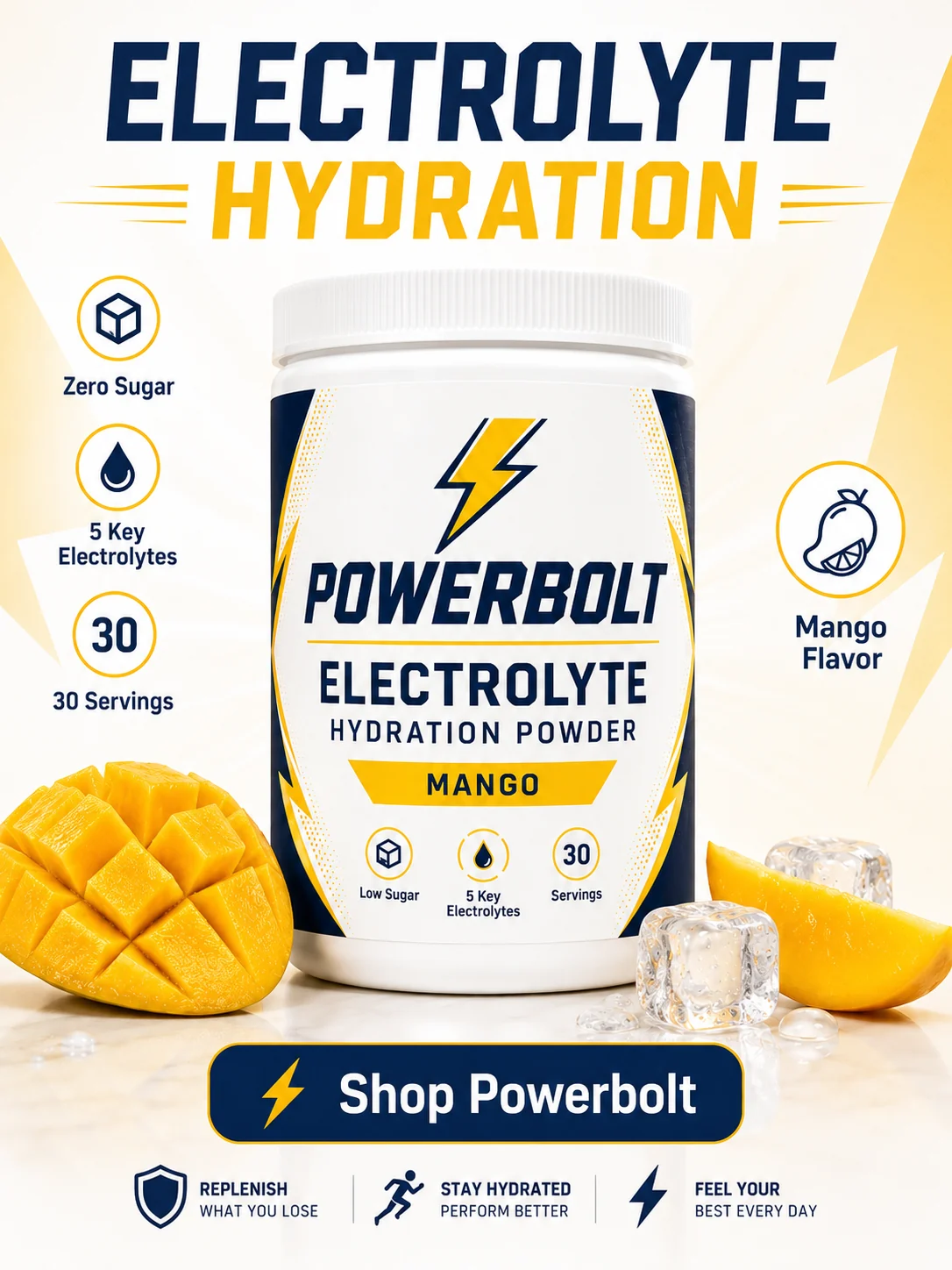
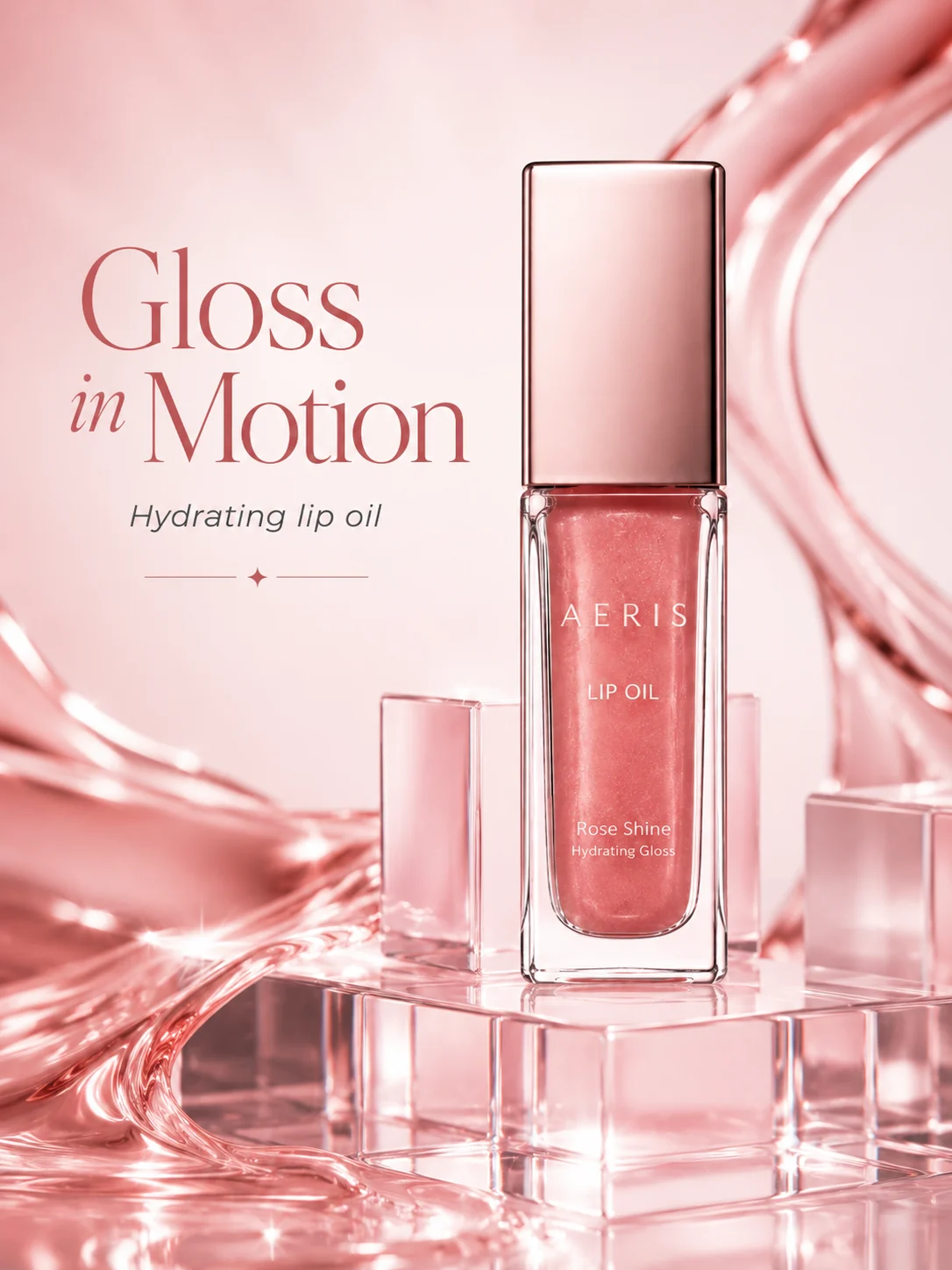
AI static ad creative becomes a repeatable production system when product or brand identity is fixed first, campaign direction is defined second, and scene, layout, copy, and conversion roles are varied under manual review. These 52 fictional examples show that method across 13 grouped systems rather than presenting isolated images as client work.
Production workflow
One identity. Controlled campaign variation.
The public page describes the production logic without exposing private references or full prompt text.
Decision trail
How a group reaches public selection.
- Confirm that the source group is fictional, internally owned, and free from a real-client or partnership claim.
- Approve one identity lock for the package, interface, garment, property, vehicle, or product before scene expansion.
- Assign four distinct campaign roles so variation changes function rather than producing near-duplicate decoration.
- Review embedded copy, product facts, geometry, materials, disclosure, and crop behavior before public selection.
Rejected output examples
What stays outside the set.
Identity drift
A variation changed packaging, interface, garment, or product geometry enough to read as another product.
Decision: Reject and return to the private identity reference.Duplicate campaign role
Two visually different frames performed the same hero job and added no new placement or information value.
Decision: Keep the clearer frame and replace the duplicate with a missing role.Unsupported embedded claim
Generated copy implied a product benefit, specification, price, or availability that was not factual.
Decision: Reject or replace the copy with clearly fictional mock language before publication.QA checklist
What every group must pass.
- Fictional identity remains recognizable across all four outputs.
- Each image has a distinct campaign or layout role.
- Geometry, materials, contact, hands, and focal details survive manual review.
- Embedded benefits, specifications, prices, and calls to action are treated as mock content.
- Disclosure remains visible and no client, partnership, or performance claim is implied.
- Private references and full prompt text remain outside public paths.
Grouped proof library
Thirteen systems.
Four roles each.
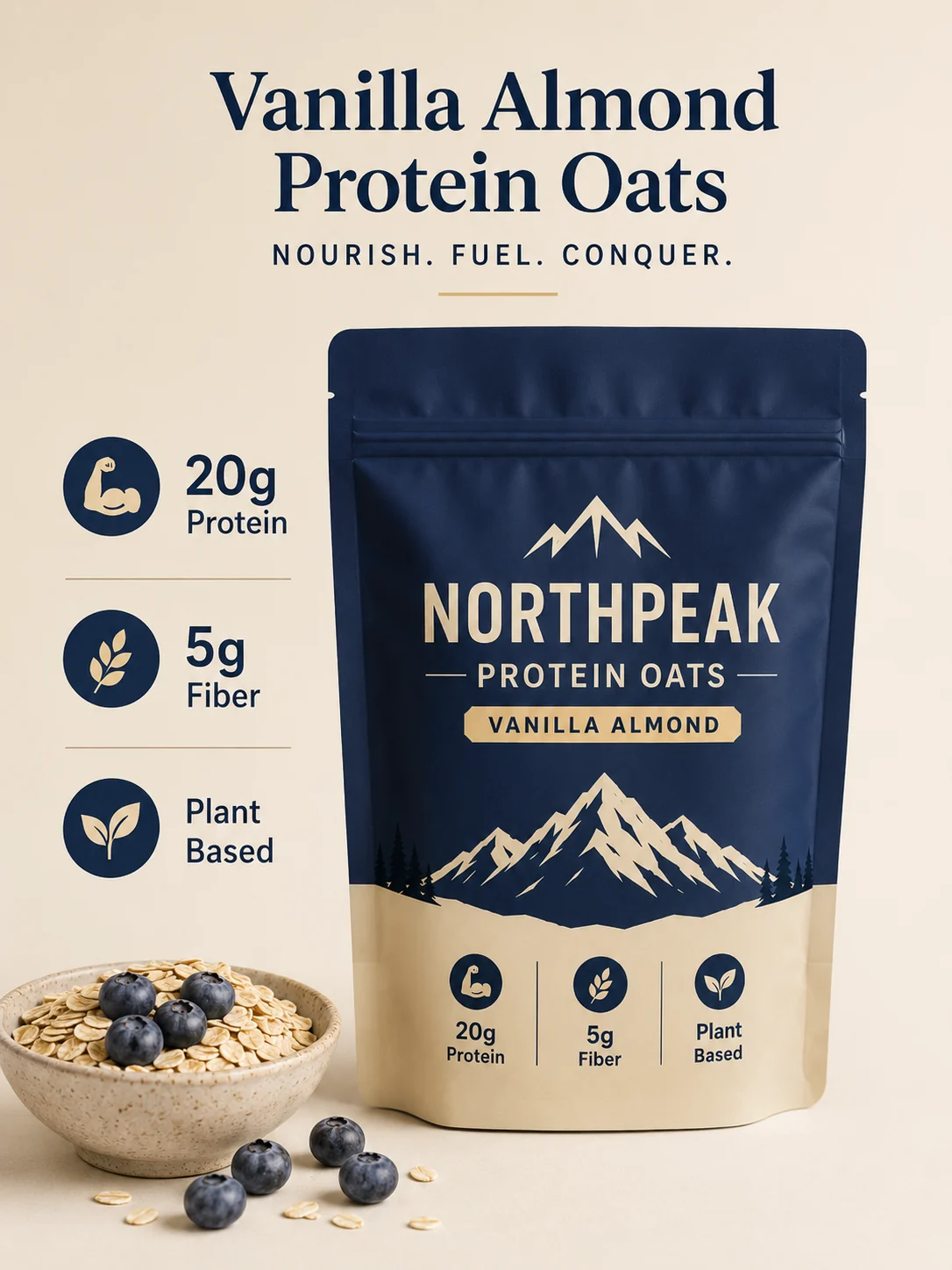
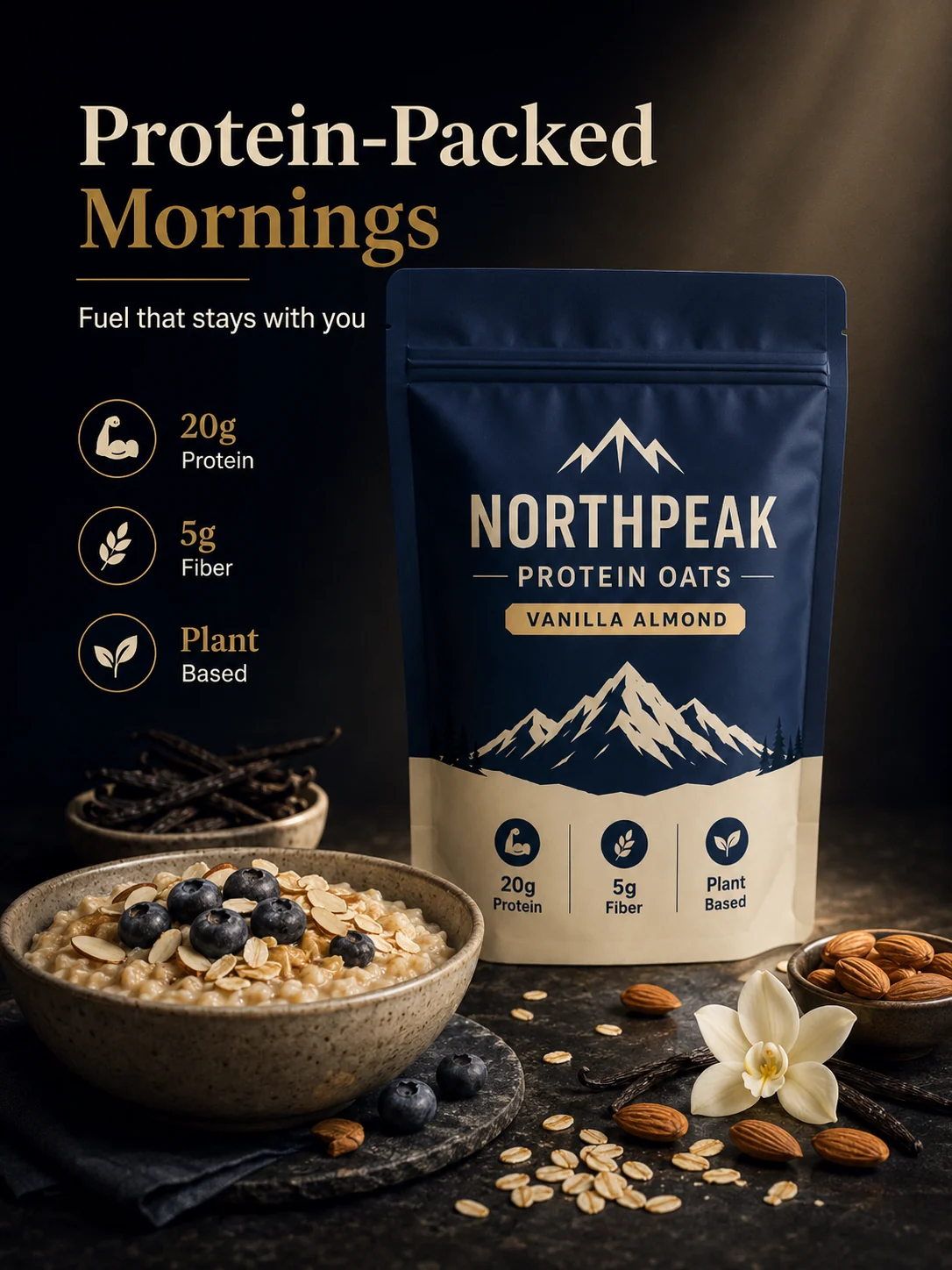
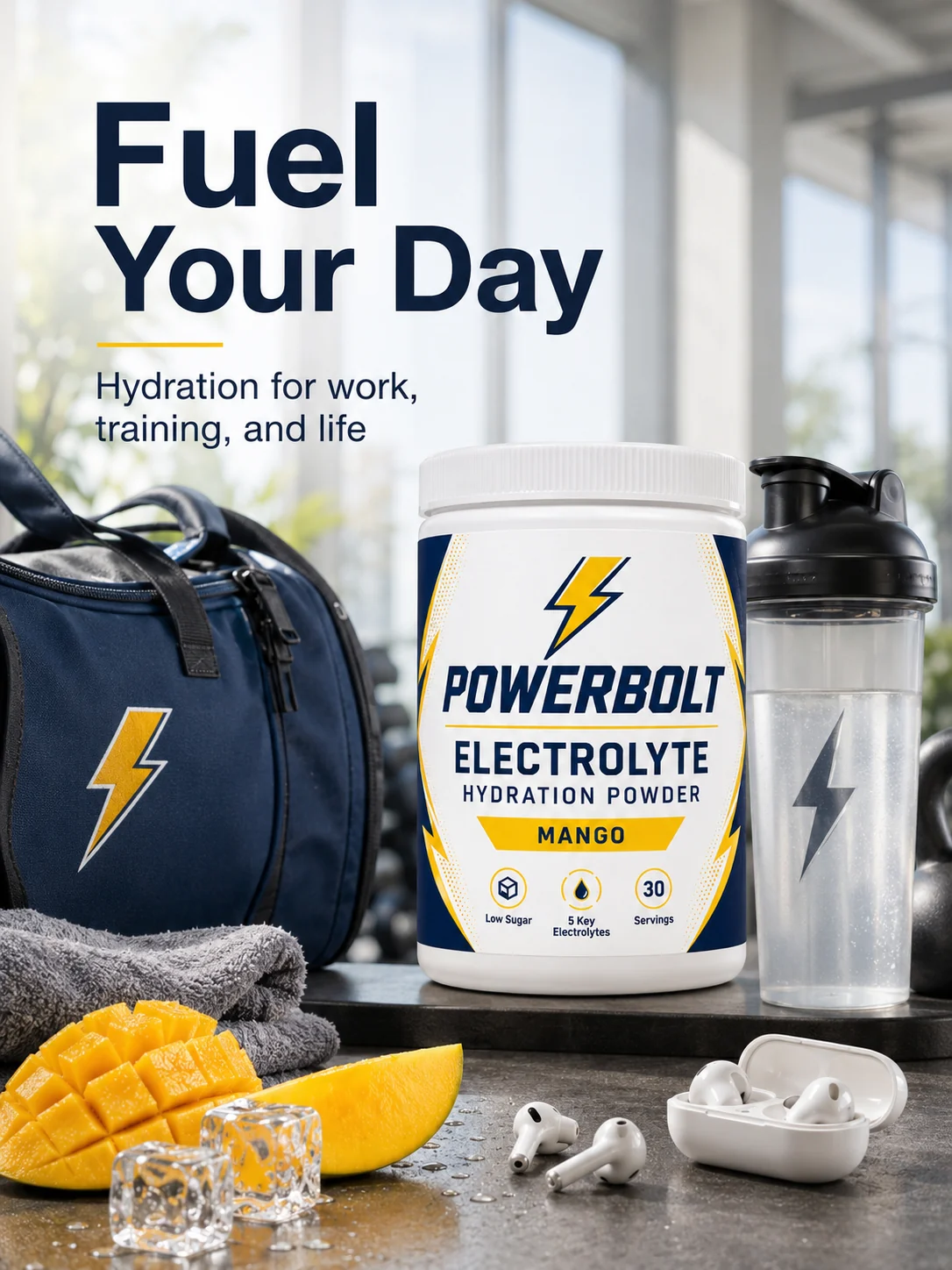
Each category keeps its own identity anchors while the scene, hierarchy, and production role change.
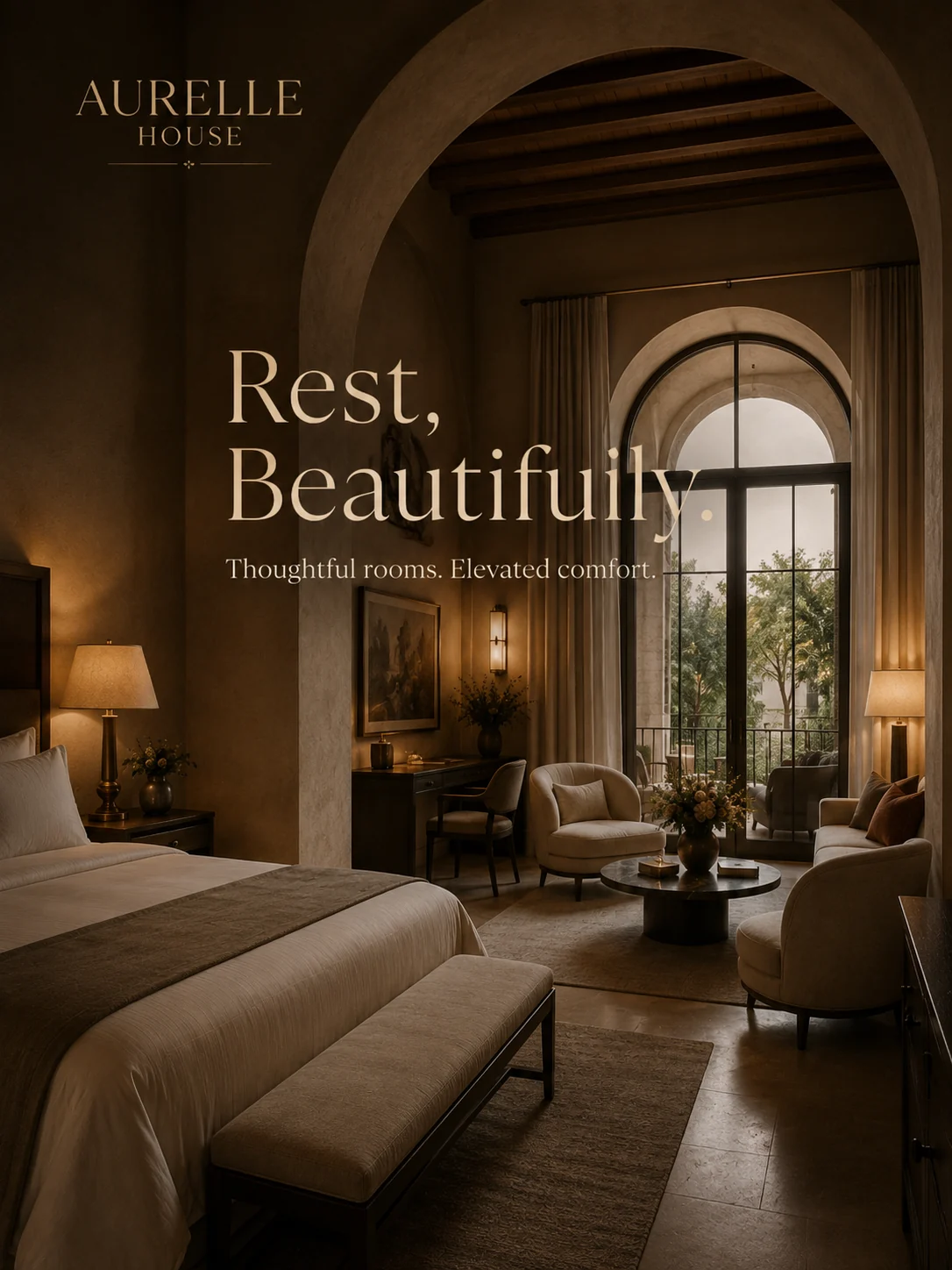
Hospitality
1 system


Automotive
1 system



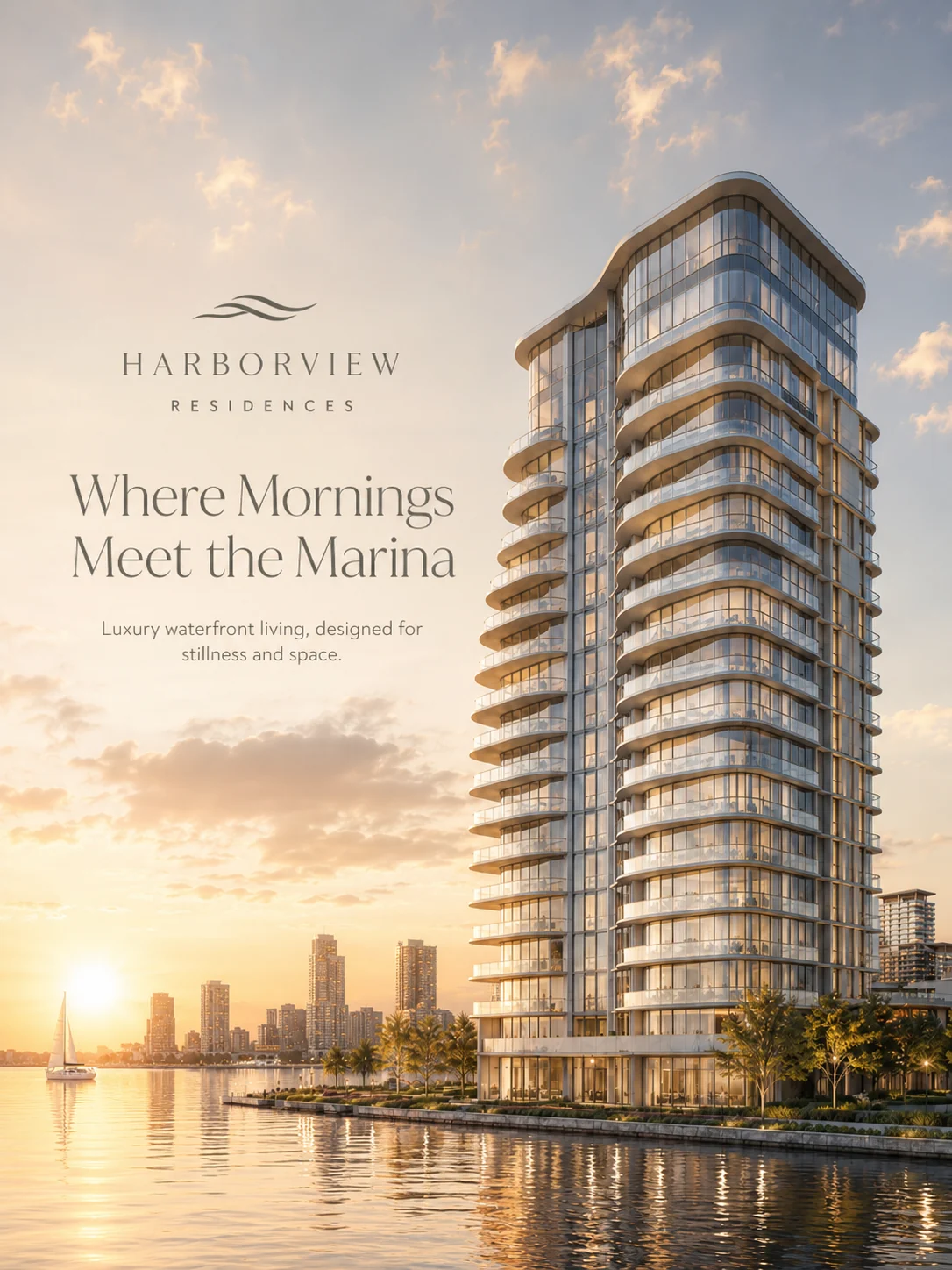
Real estate
1 system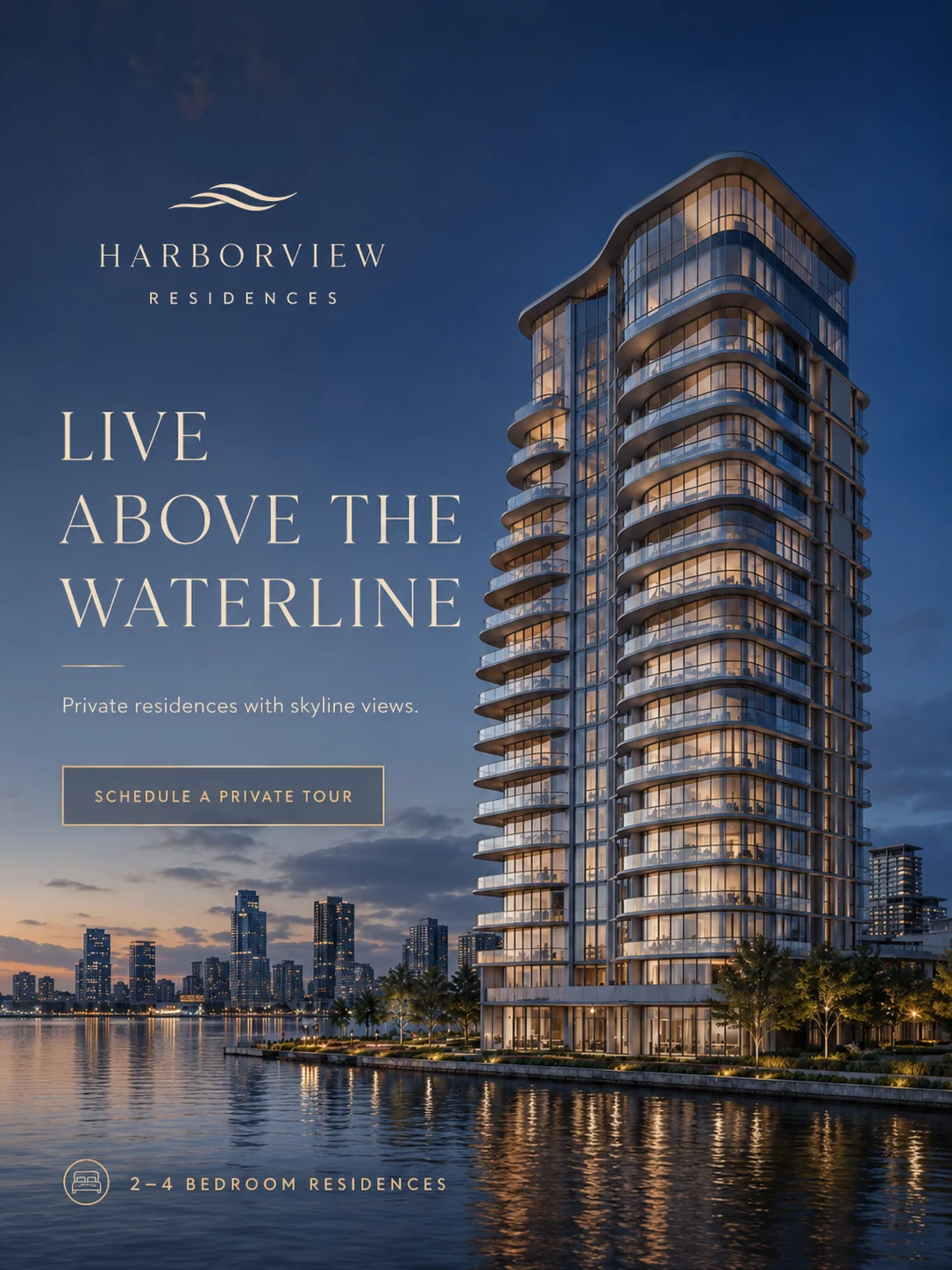


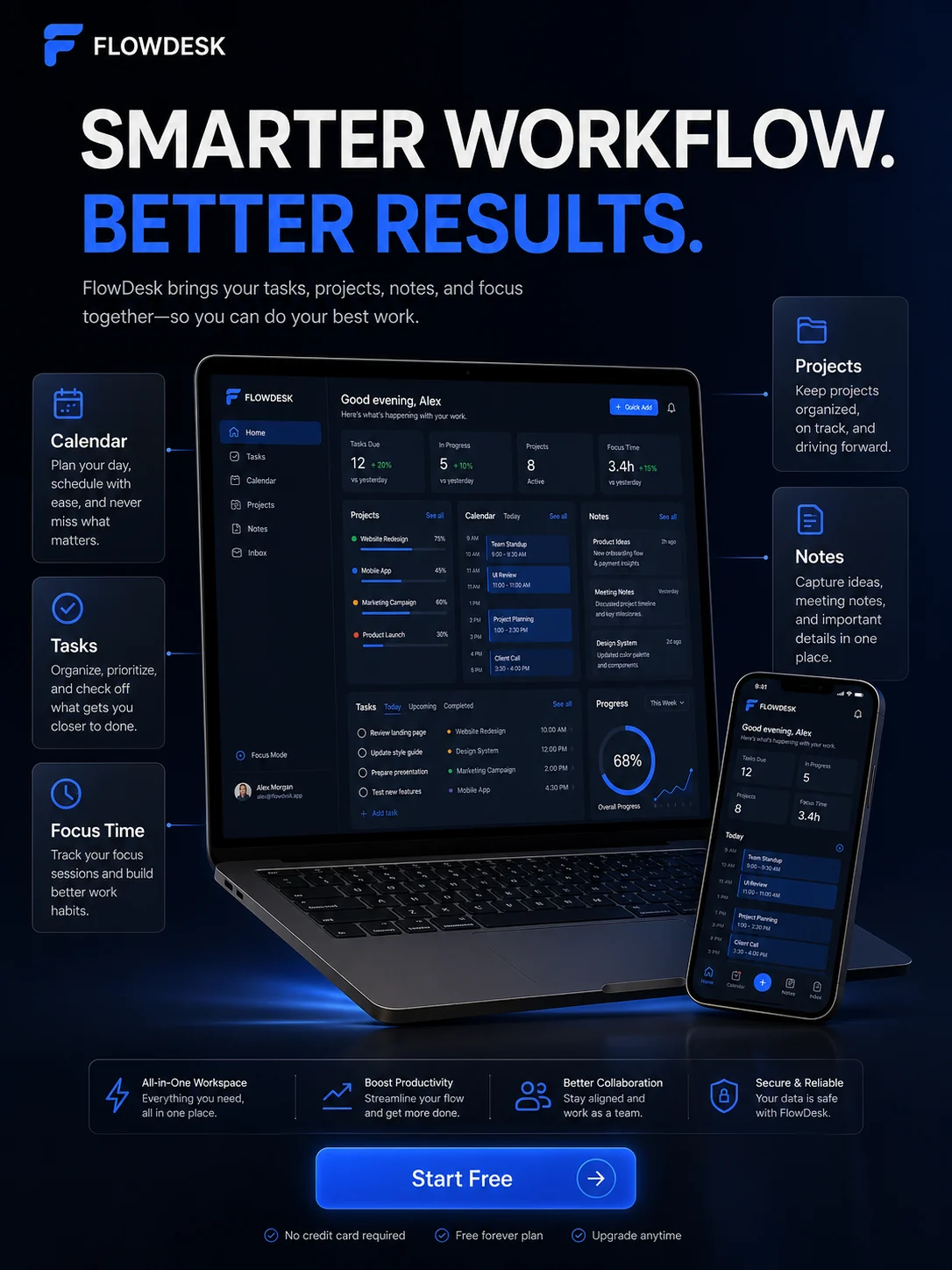
SaaS/productivity
1 system


Fashion/streetwear
1 system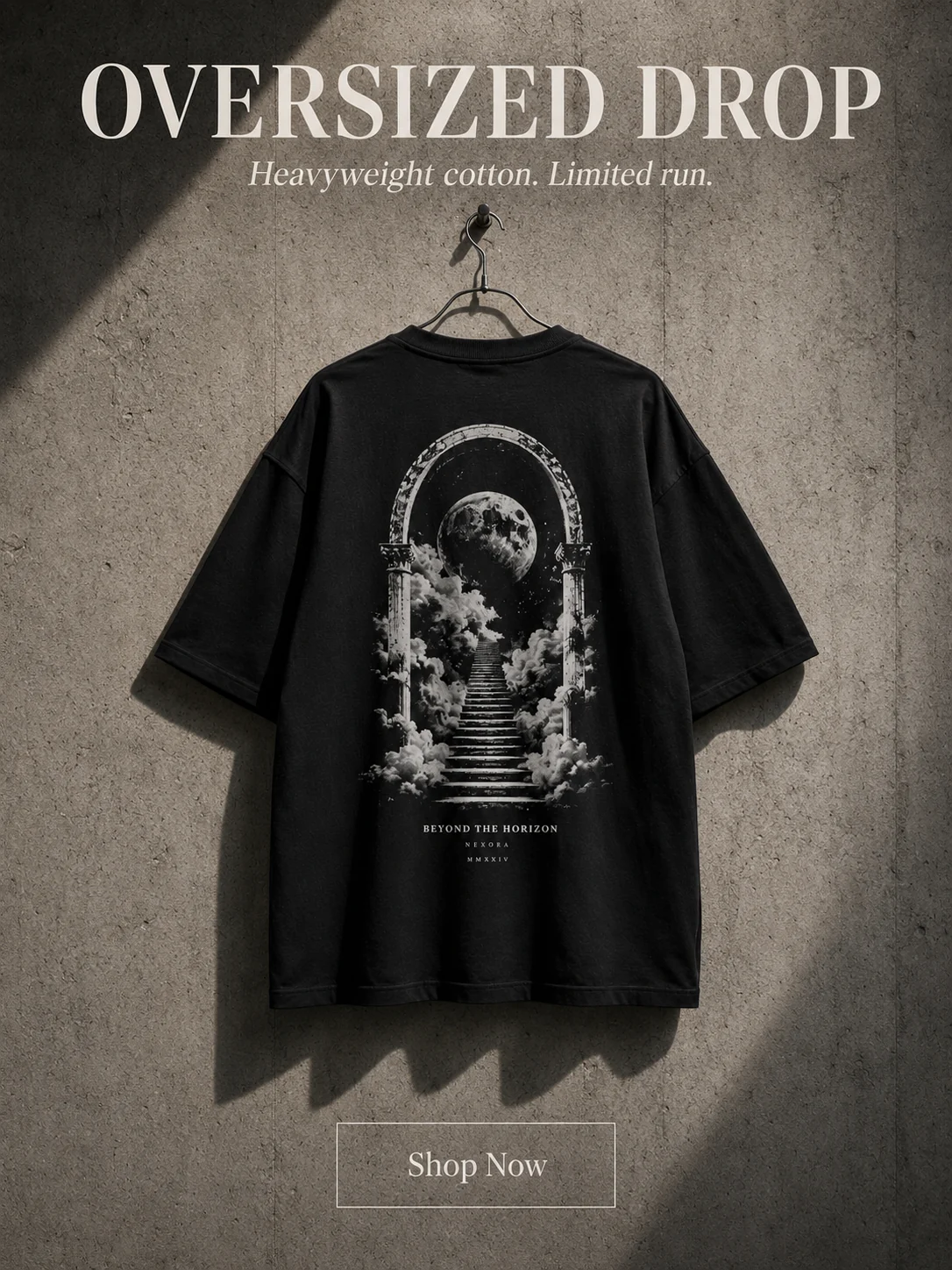
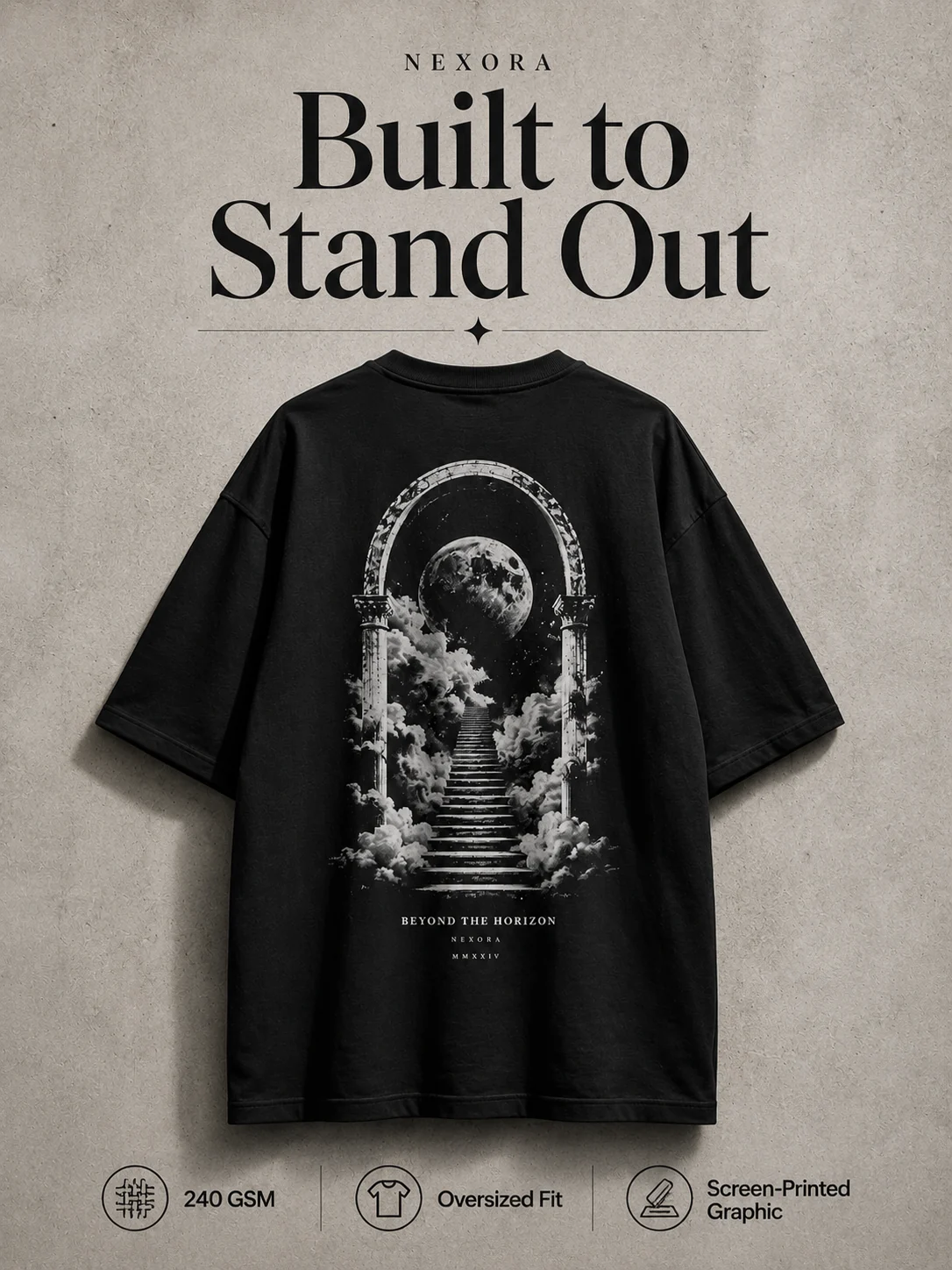
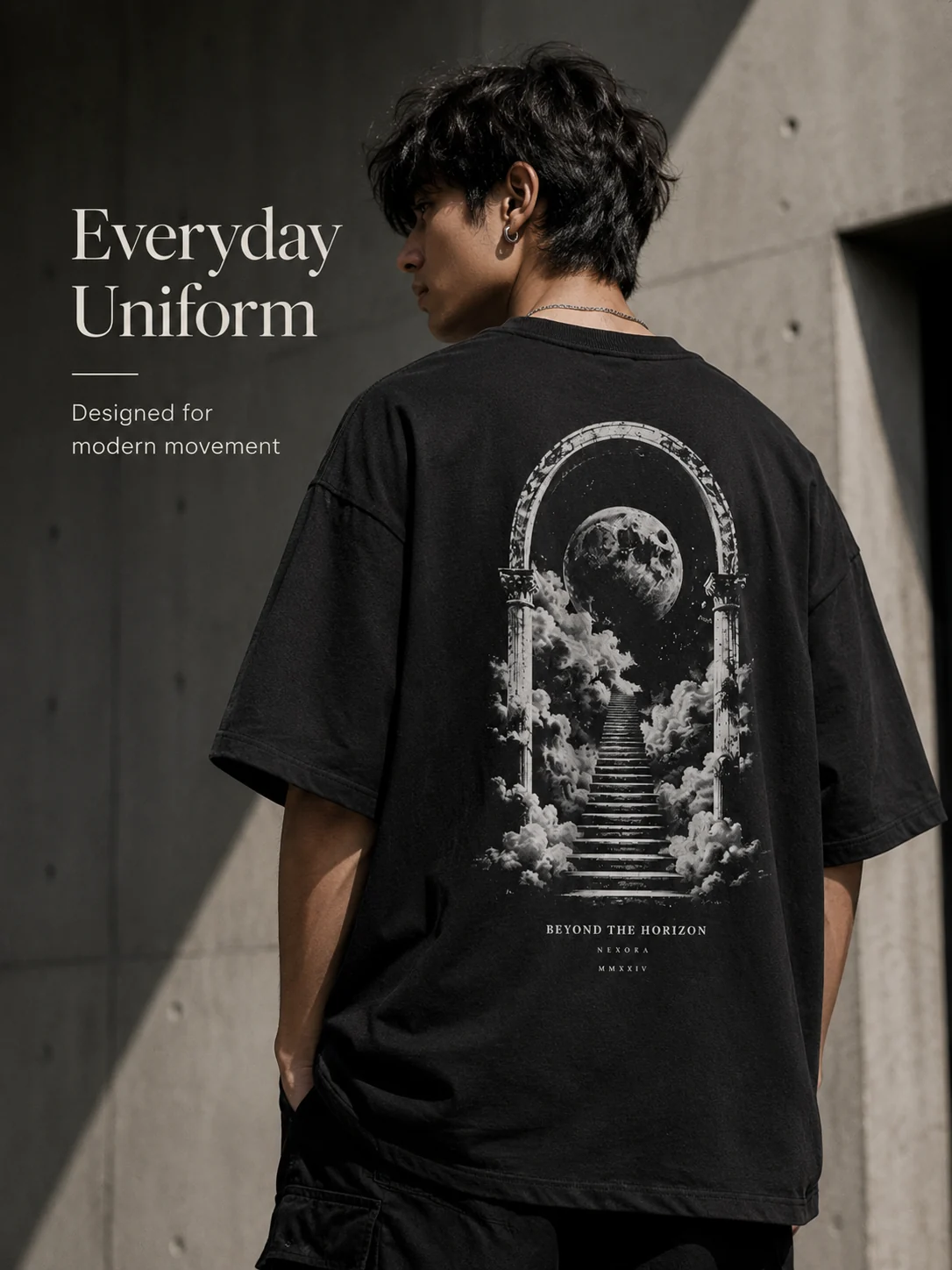
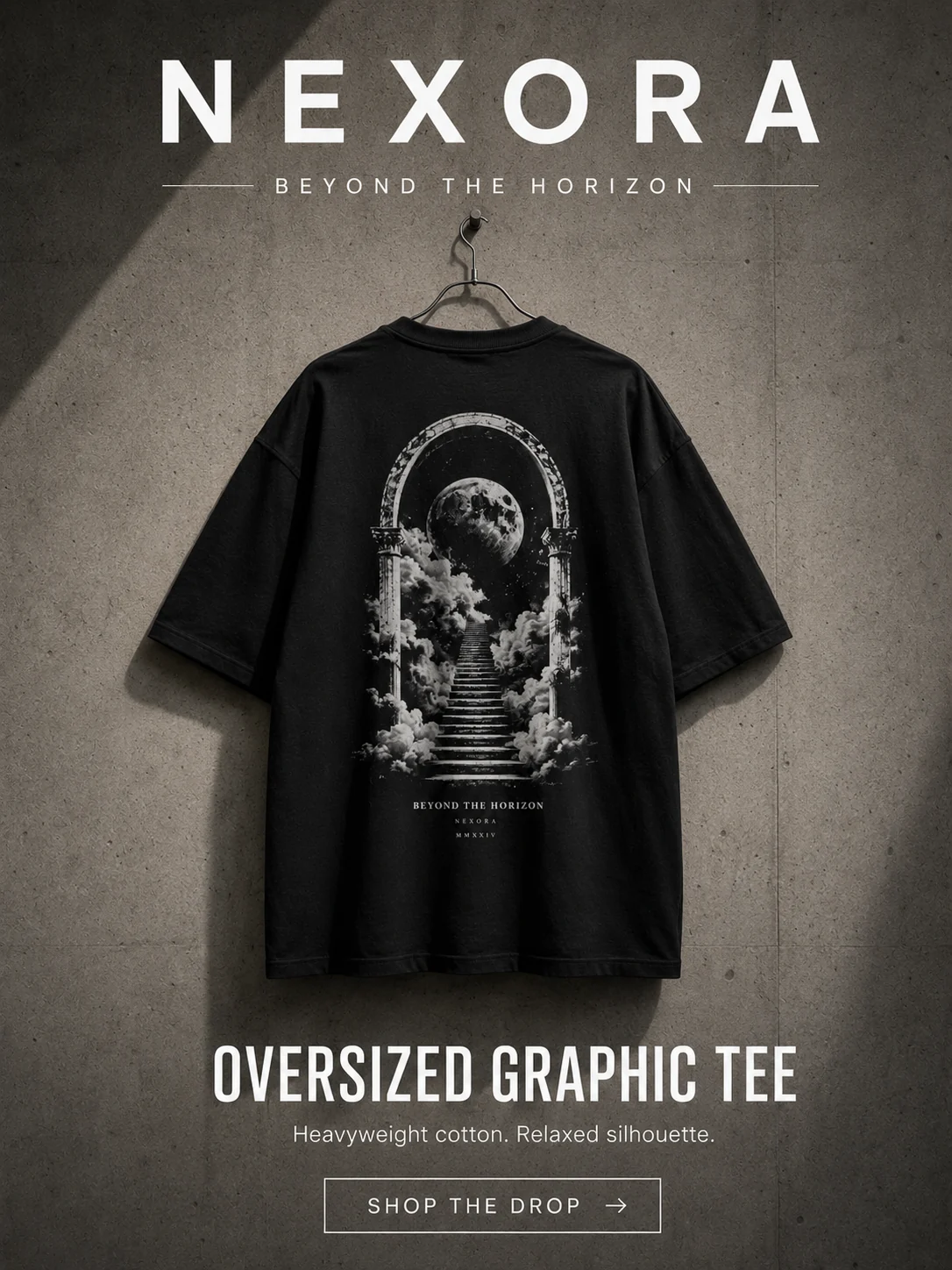
Beauty/wellness
1 system



Food/nutrition
1 system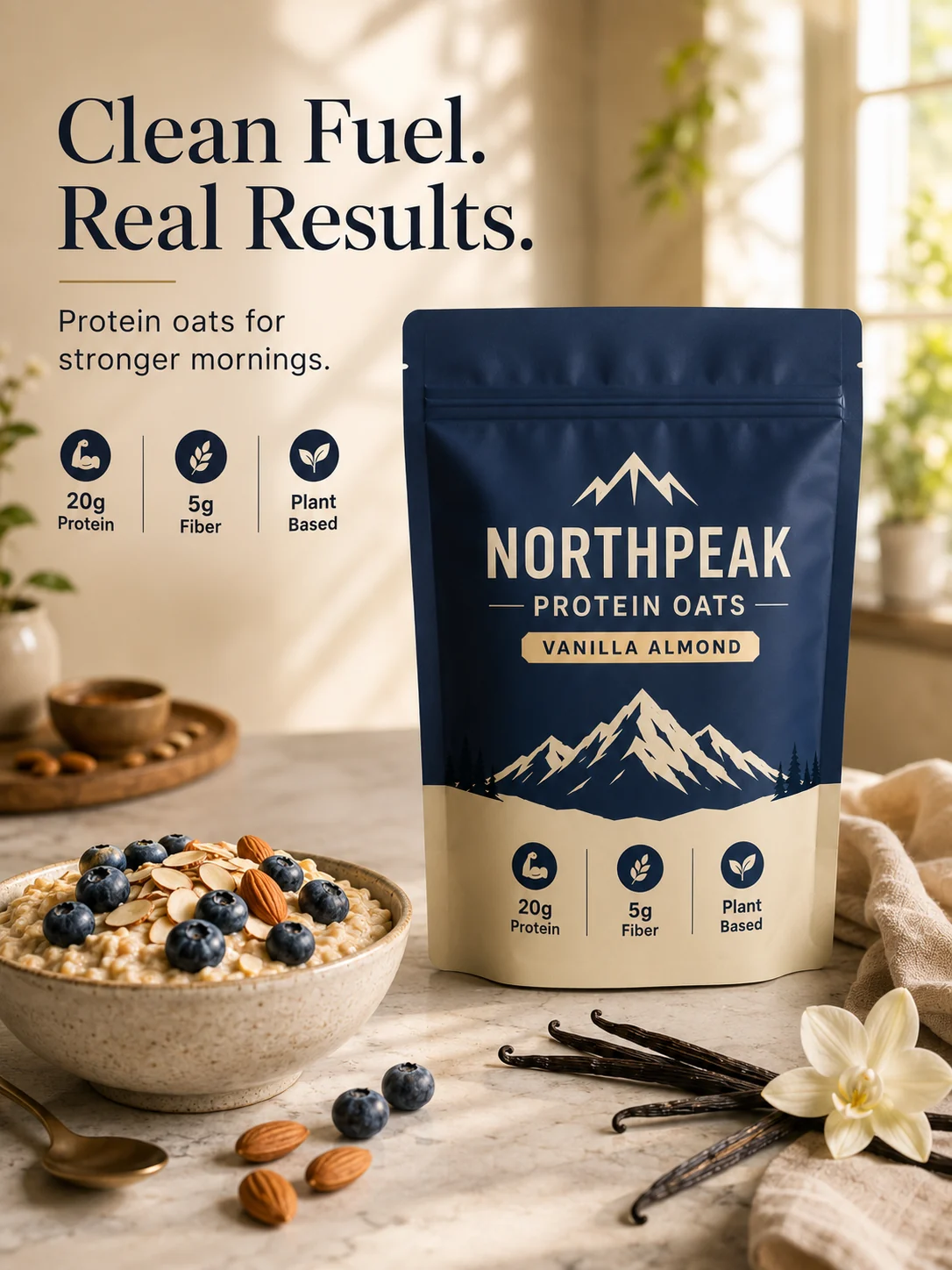

Hydration/supplement
1 system

Cosmetics
2 systems






Skincare
2 systems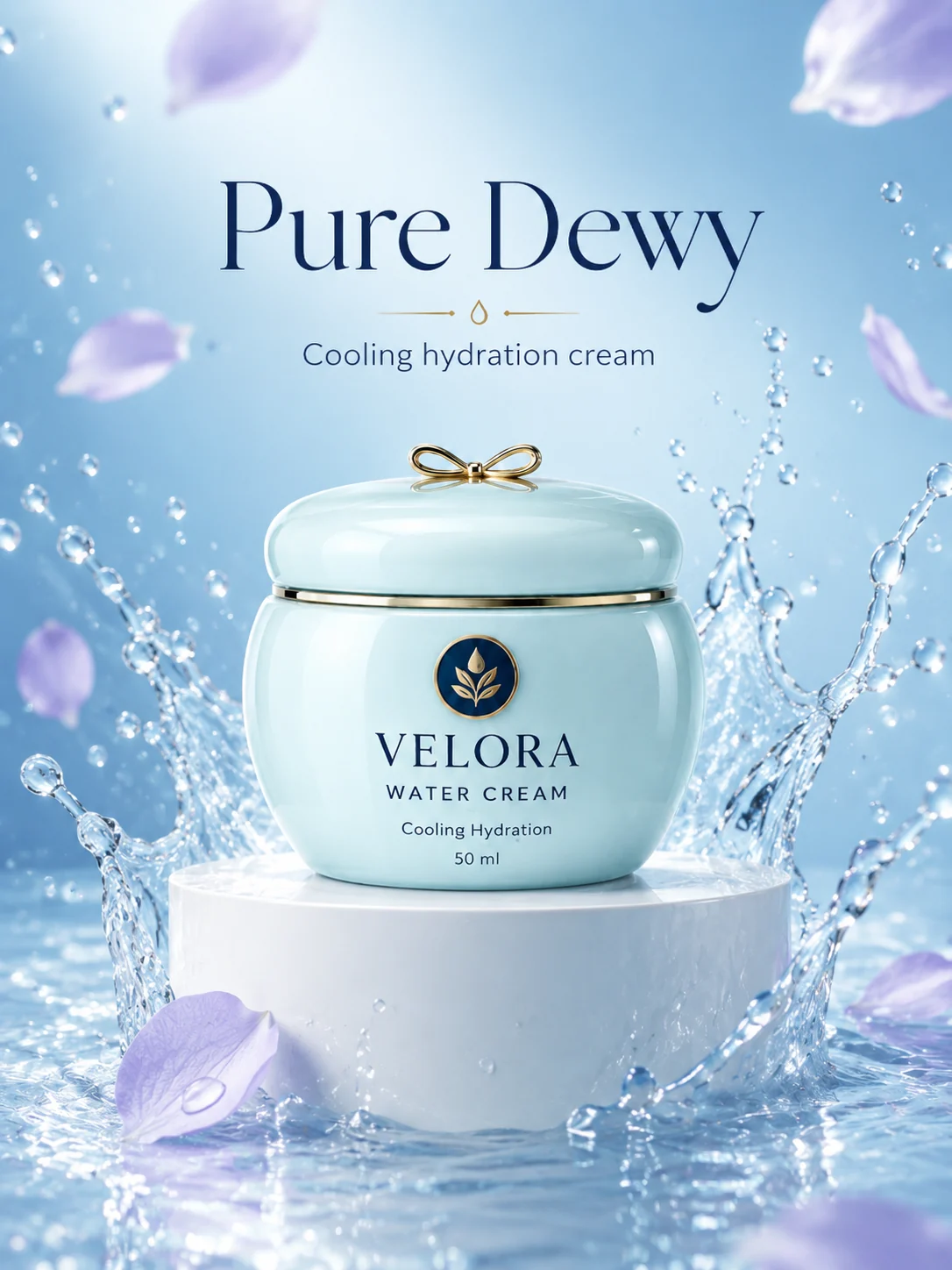







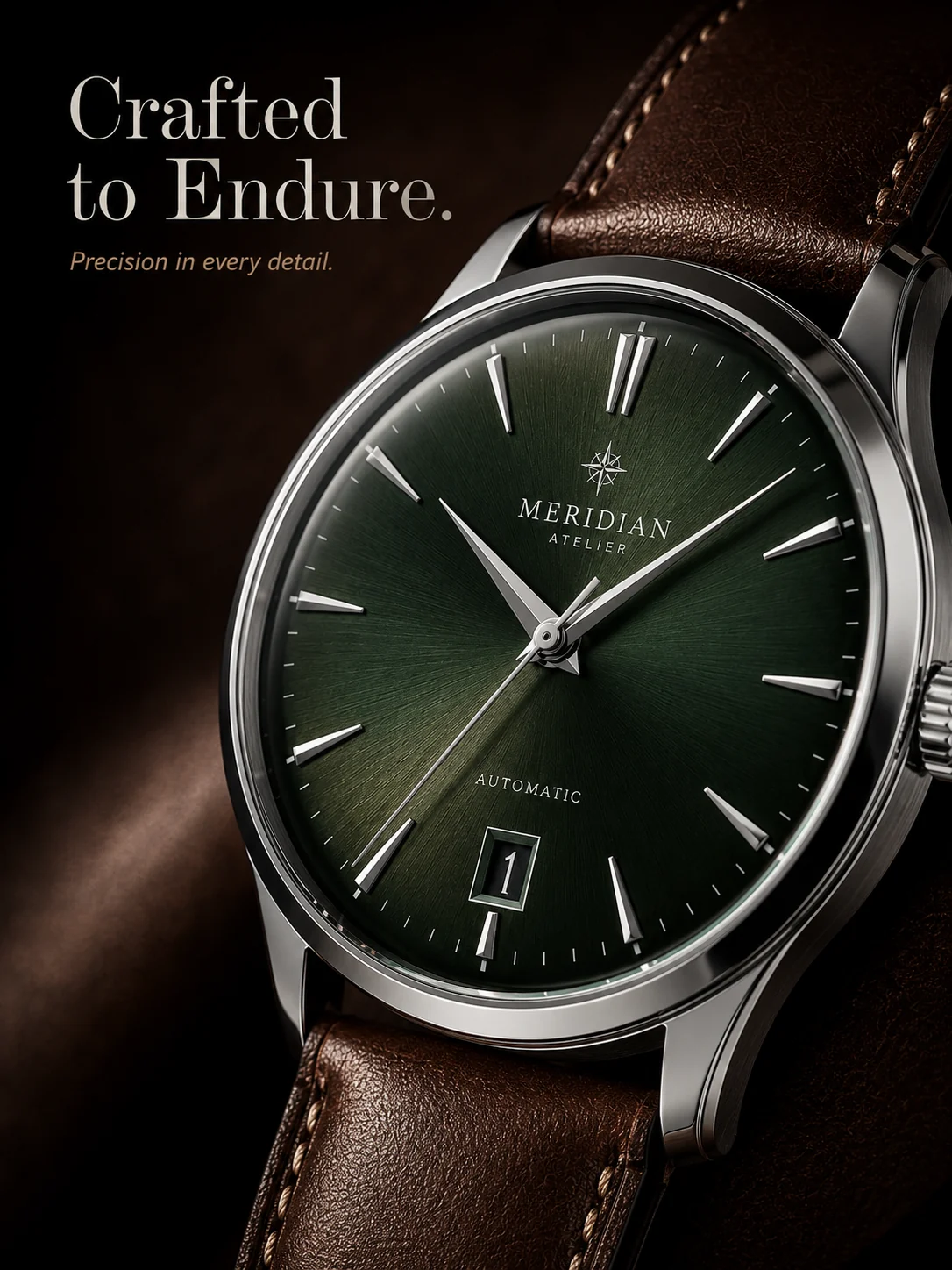
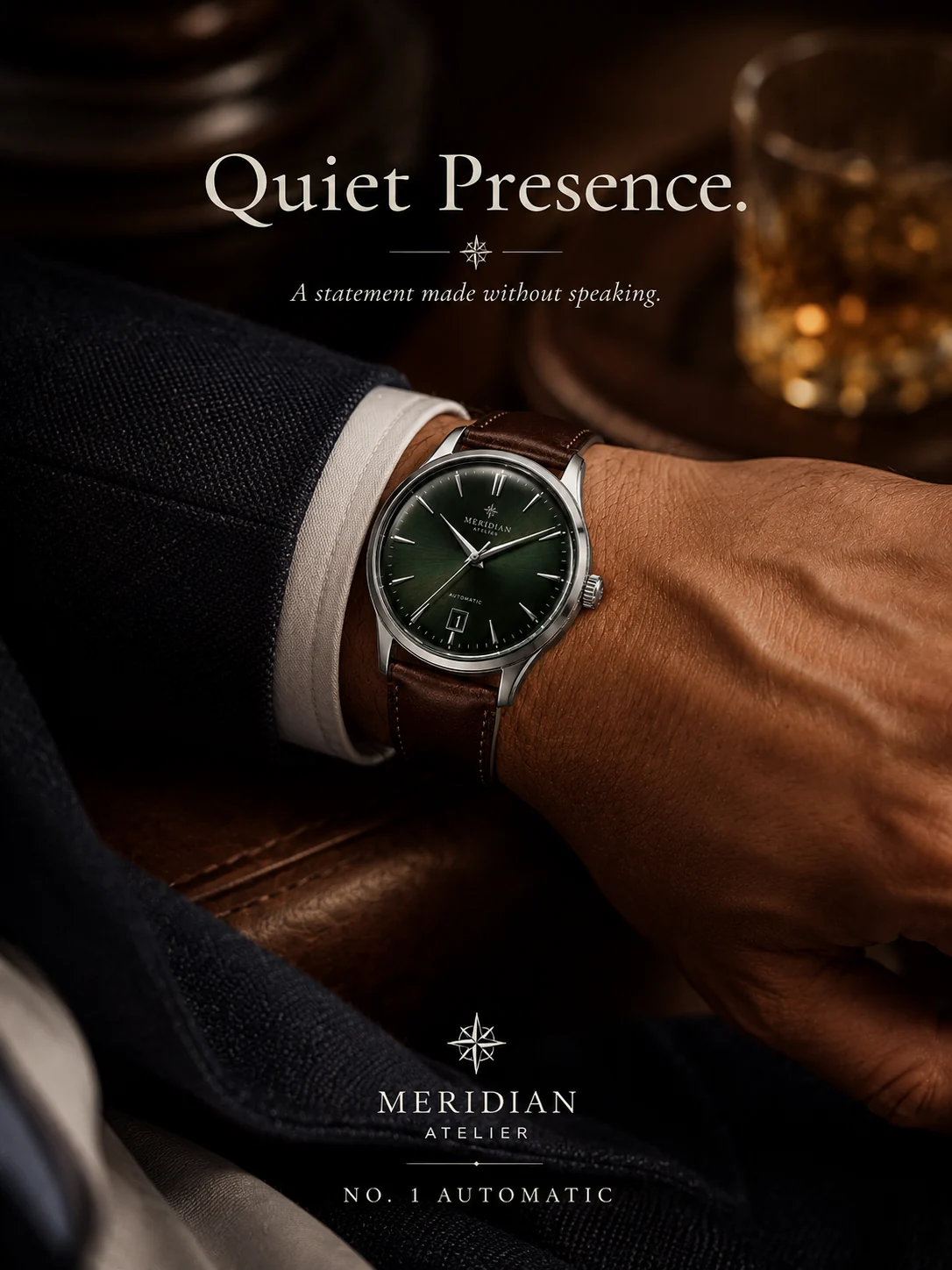
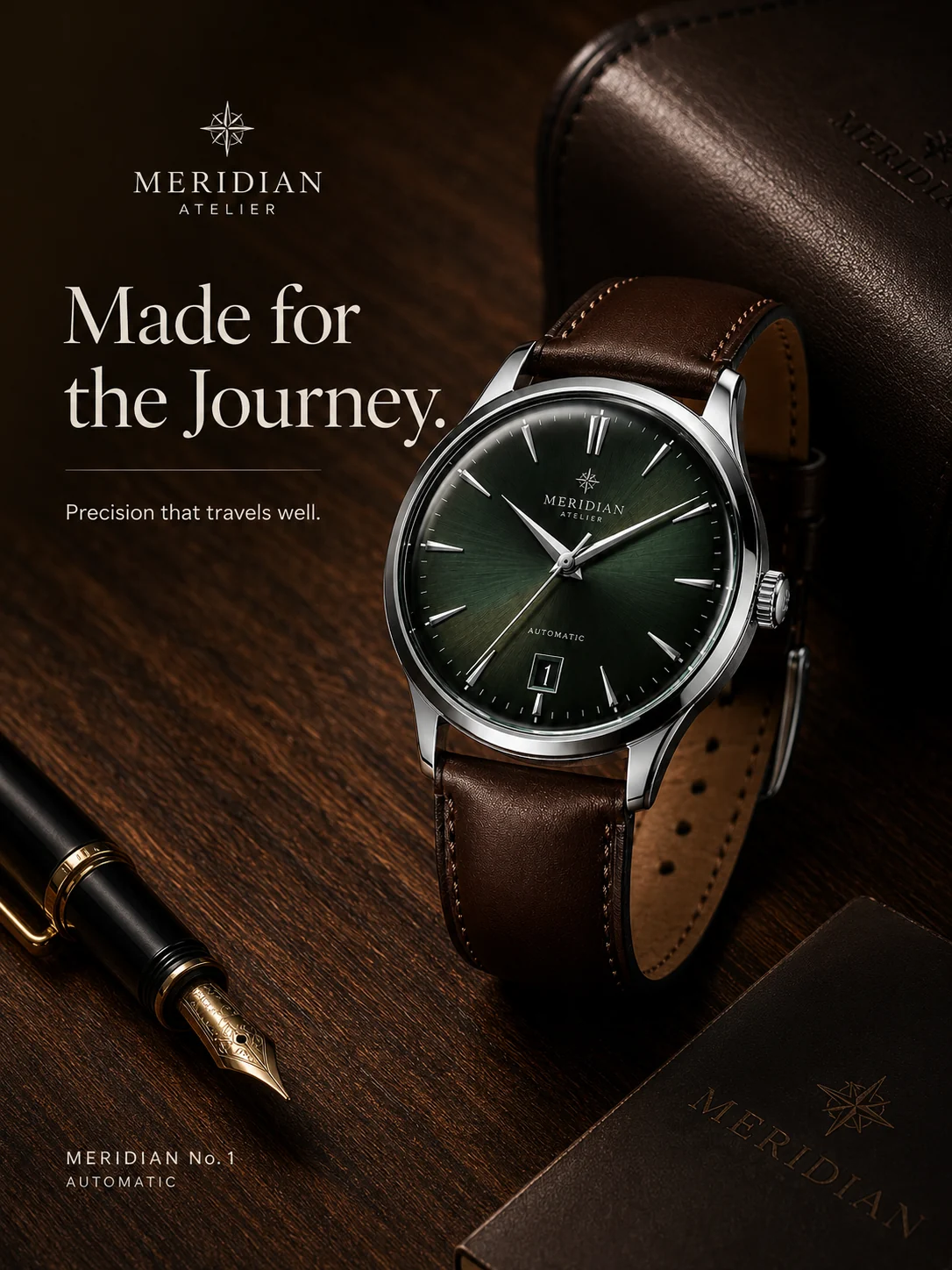
Watch/luxury
1 system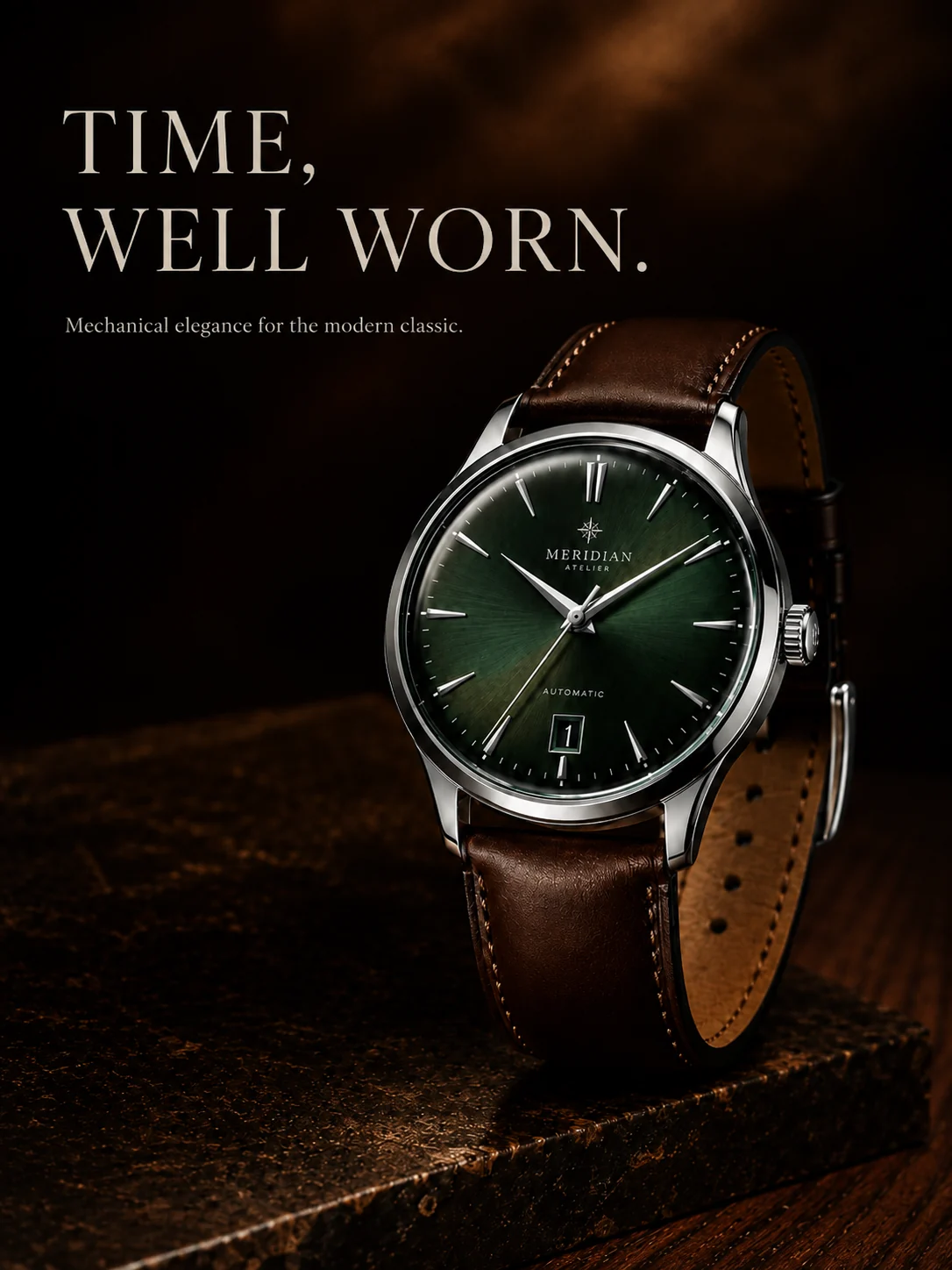
Studio path
Commission a scoped static ad system.
Brands can bring authorized product or identity inputs, required placements, approved claims, and a defined brief. The Studio can then scope connected static assets around explicit roles and review gates.
Explore AI Product Visuals →Academy path
Learn the workflow behind the set.
Students learn how to define Identity Lock and World Lock, structure the Prompt Strategy Layer, assign asset roles, compare variations, and complete a Manual Review Pass instead of only viewing finished images.
Explore the Academy →Connected production paths
Move from proof to method or production.
These published routes connect the examples to the relevant topic, workflow, service, and learning path.
Questions
How to interpret the examples.
01Are these real client advertisements?
No. Every group is an owner-approved AI-generated fictional concept created as an internal production demo. The work is not a client campaign or official partnership.
02Are the products, prices, benefits, and calls to action real?
No. Embedded product details, interface copy, benefits, prices, availability language, and calls to action are mock design elements only.
03Are the full prompts and reference images available on this page?
No. Full prompts and private reference assets remain internal. The page publishes only selected final outputs and a high-level method summary.
04What does the collection demonstrate?
It demonstrates how an identity lock, campaign direction, controlled scene changes, layout roles, and manual review can produce a connected family of static ad concepts.