Direct definition
What is first-frame direction?
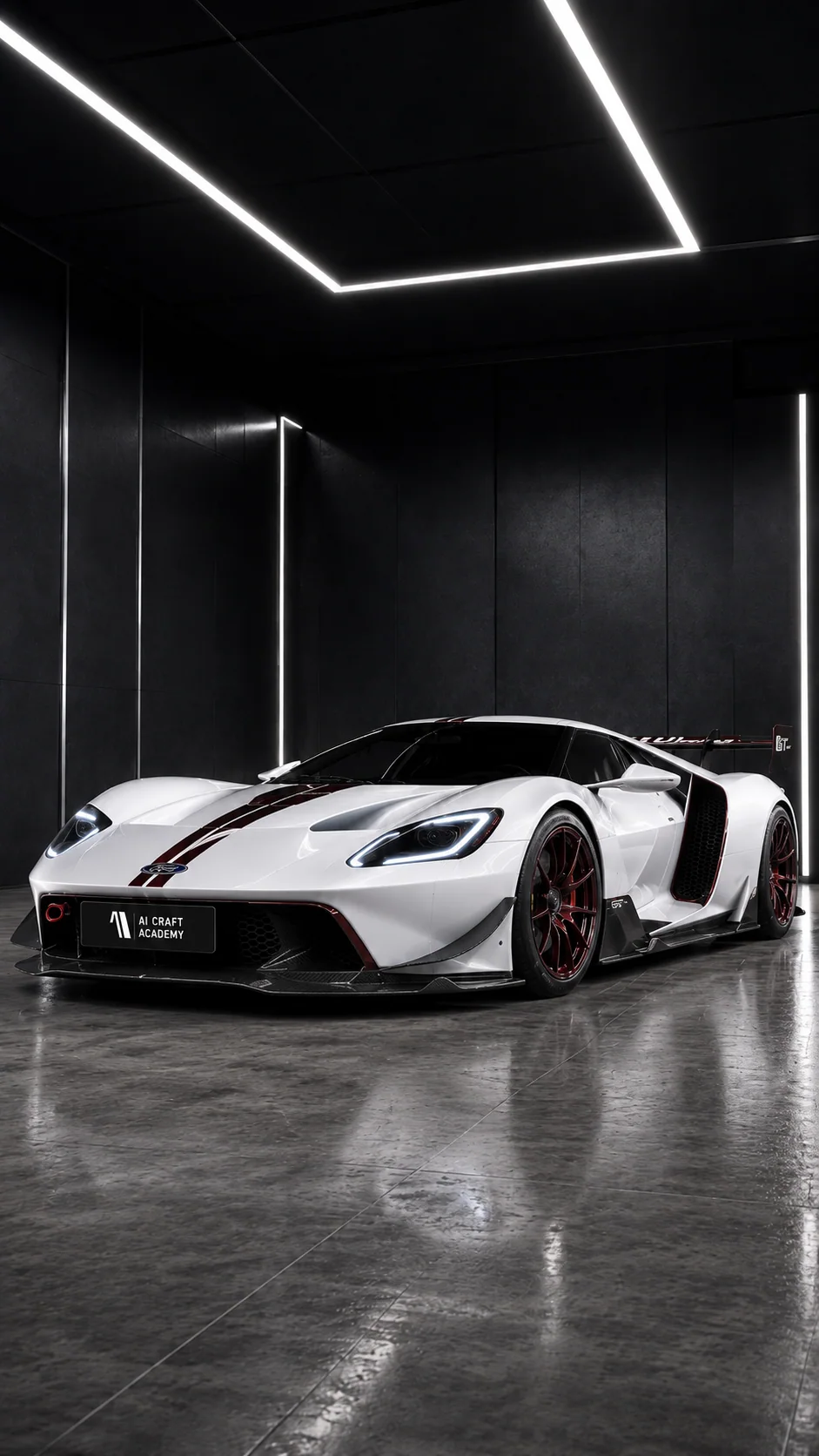
First-frame direction is the practice of designing a still as the controlled starting state for motion. It joins composition, continuity, and shot intent so the image can become a usable clip rather than remain only a strong standalone picture.
Fictional planning example
Fictional skincare bottle reveal
A fictional skincare teaser uses a locked bottle hero as the first frame for a slow light reveal and a separate detail cut.
This example is fictional and demonstrates planning structure only. It is not a client campaign, testimonial, or performance result.Step-by-step workflow
AI first-frame art direction guide: the working sequence.
- Assign the frame one edit function.
- Lock identity, product, and environment anchors.
- Choose camera distance and movement room.
- Specify the subject action and exit direction.
- Approve the frame beside its neighboring shots.
Quality framework
Acceptance checks for AI first frame art direction.
- The shot role is written.
- Fixed references remain accurate.
- Hands and product contact are plausible.
- There is space for the intended motion.
- The frame connects to the edit plan.
Example deliverables
Outputs from Fictional skincare bottle reveal.
- Shot-role note
- Approved first frame
- Motion-space overlay
- Continuity check
Common mistakes
Failure modes specific to AI first frame art direction.
- Selecting only by still-image impact
- Leaving no room for motion
- Changing lens logic between shots
- Approving a frame without the edit context
Cluster pathway
Choose the next useful step.
Questions
Questions before applying AI first-frame art direction guide.
01What must be prepared before applying AI first-frame art direction guide?
Prepare the edit outline, subject references, neighboring shot sketches, target aspect ratio, intended action, and the continuity facts that cannot change.
02When is AI first-frame art direction guide the right resource guide?
Use it when the immediate job is to approve first frames that can support motion and edit continuity instead of selecting isolated stills. It is intentionally narrower than a general video production guide and does not replace rights, claims, or subject-matter review.
03What should teams avoid promising when they use AI first-frame art direction guide?
Do not turn AI first frame art direction into a guarantee of output quality, delivery success, media performance, revenue, or another business result. The framework organizes production decisions; references, tools, execution, distribution, and approval still determine what is usable.